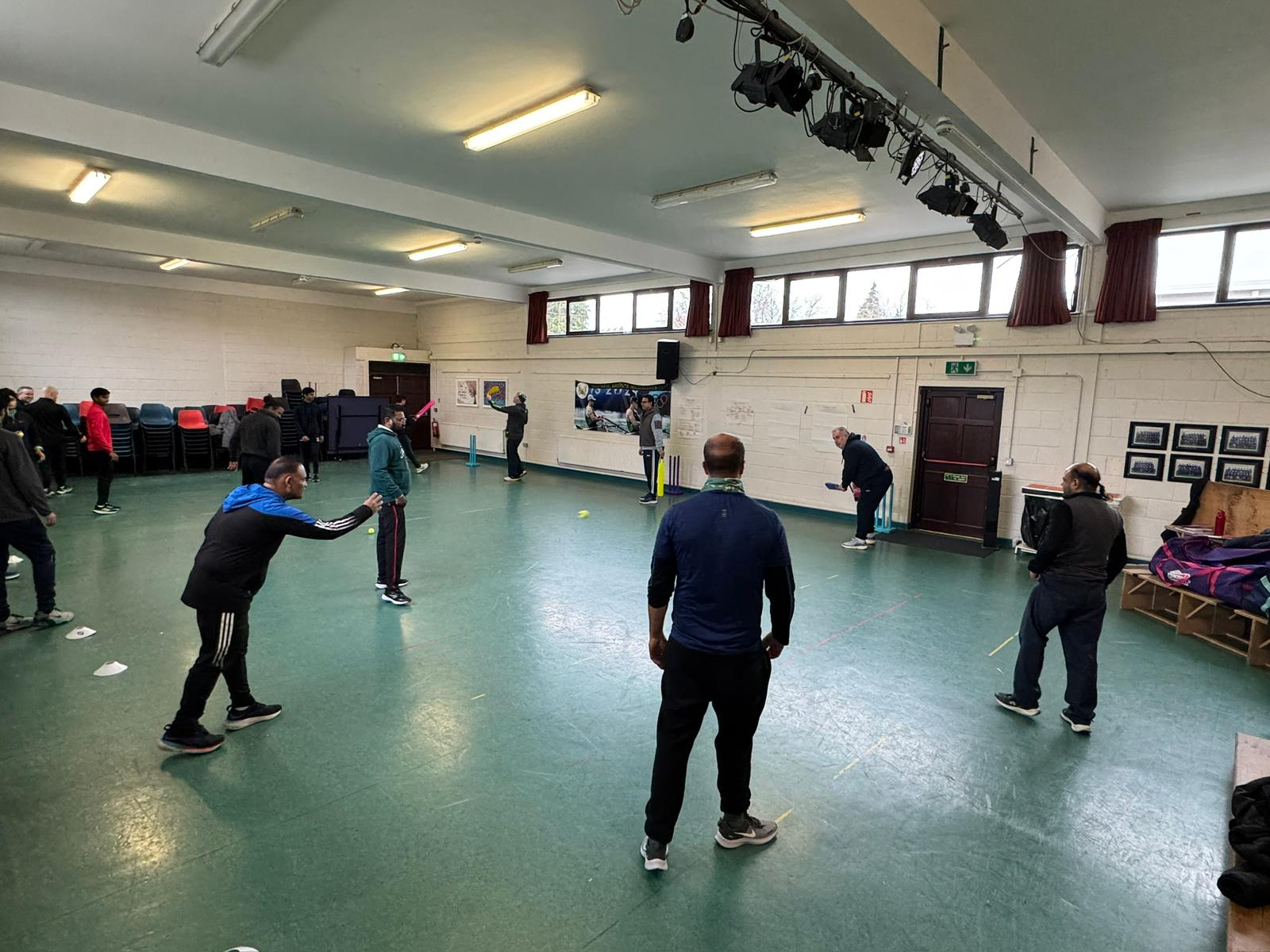
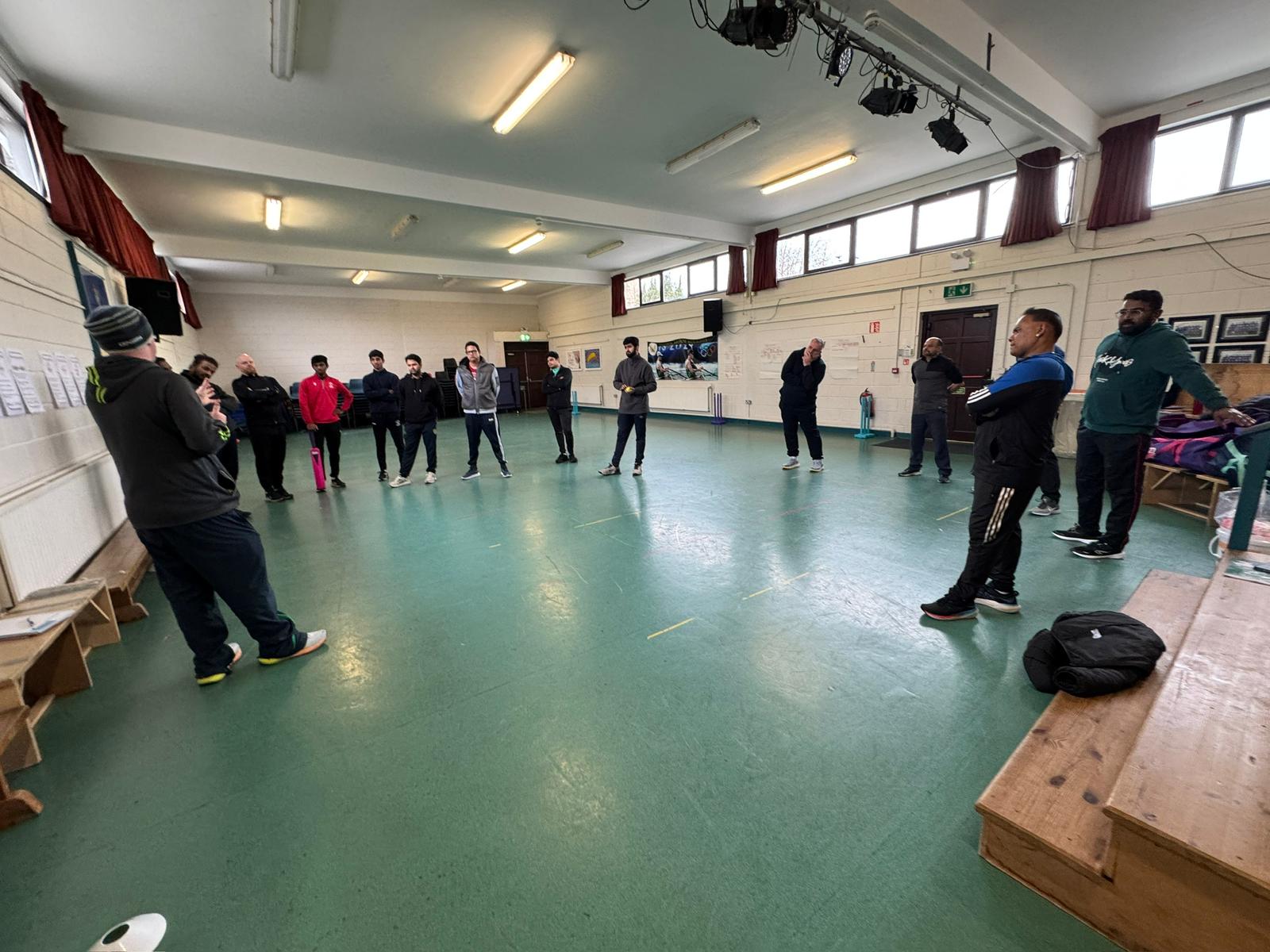
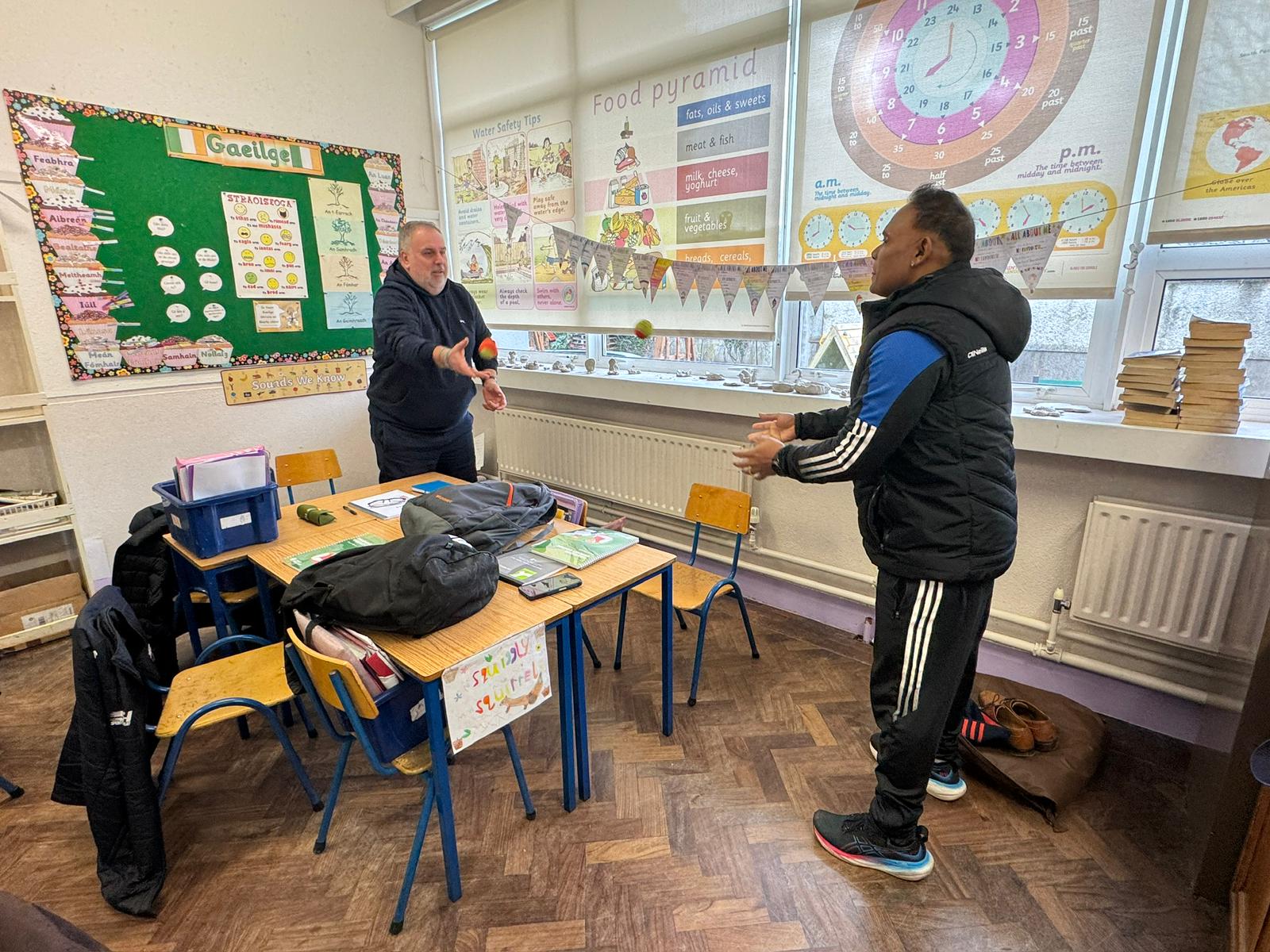
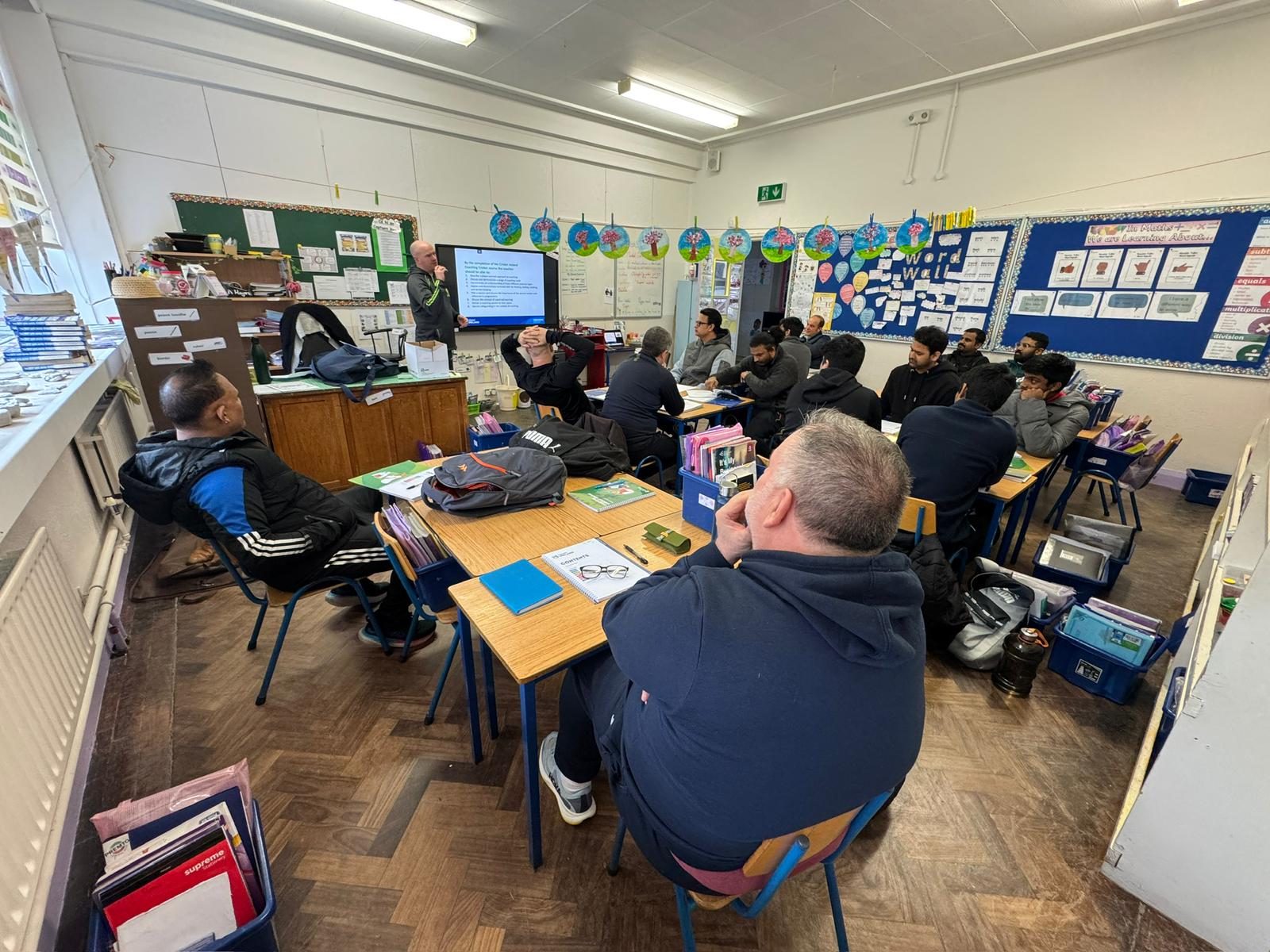
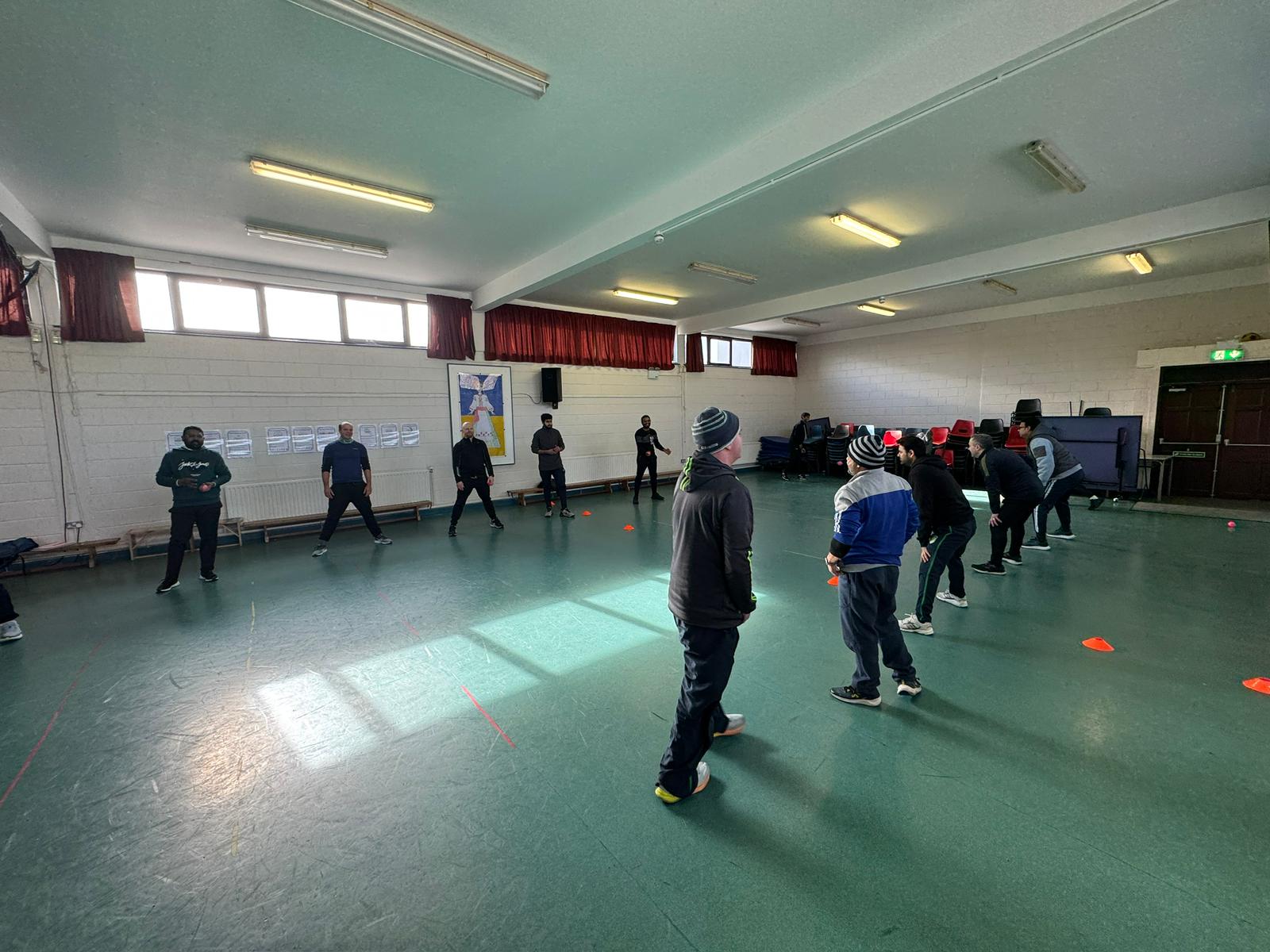
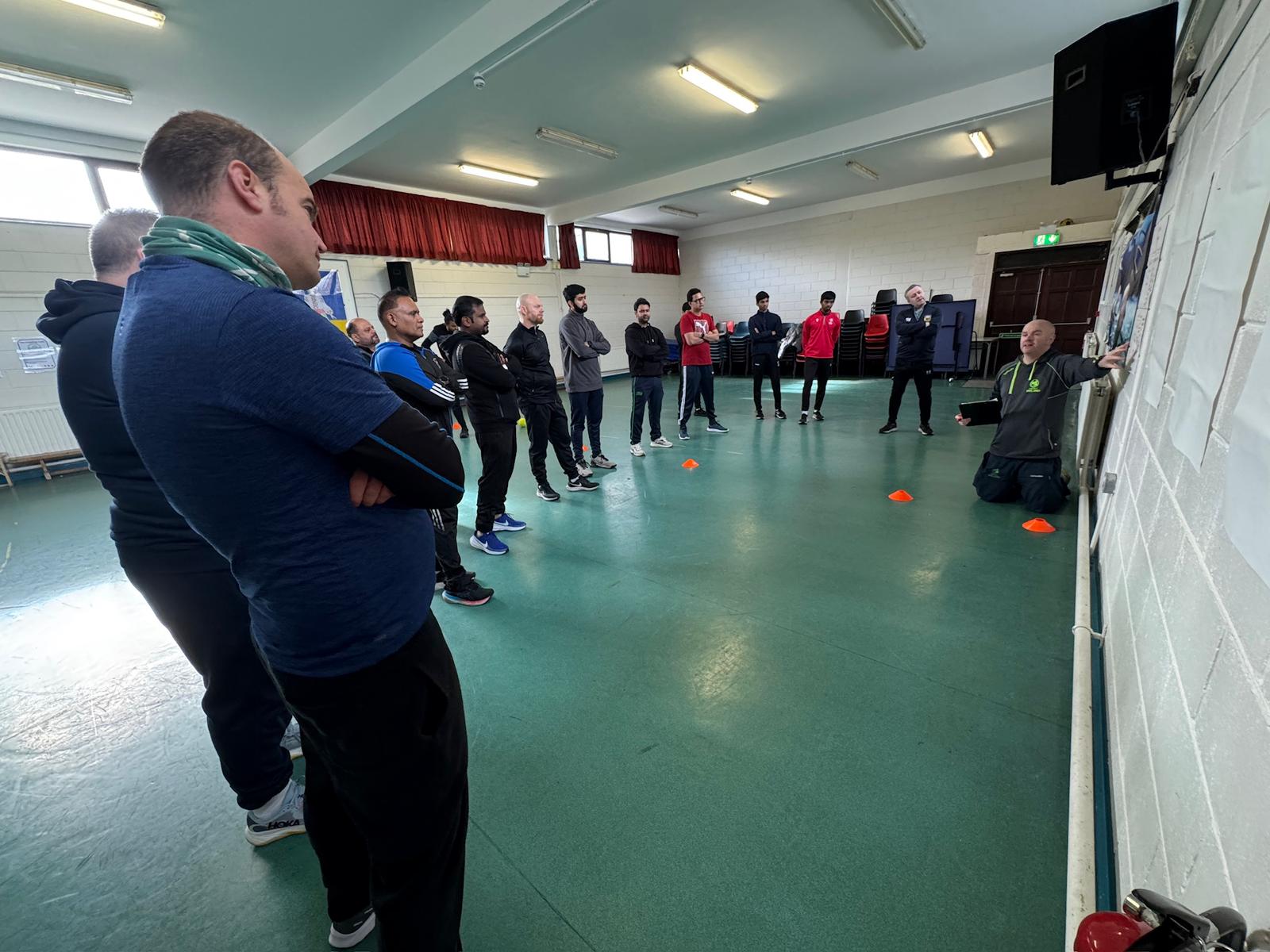
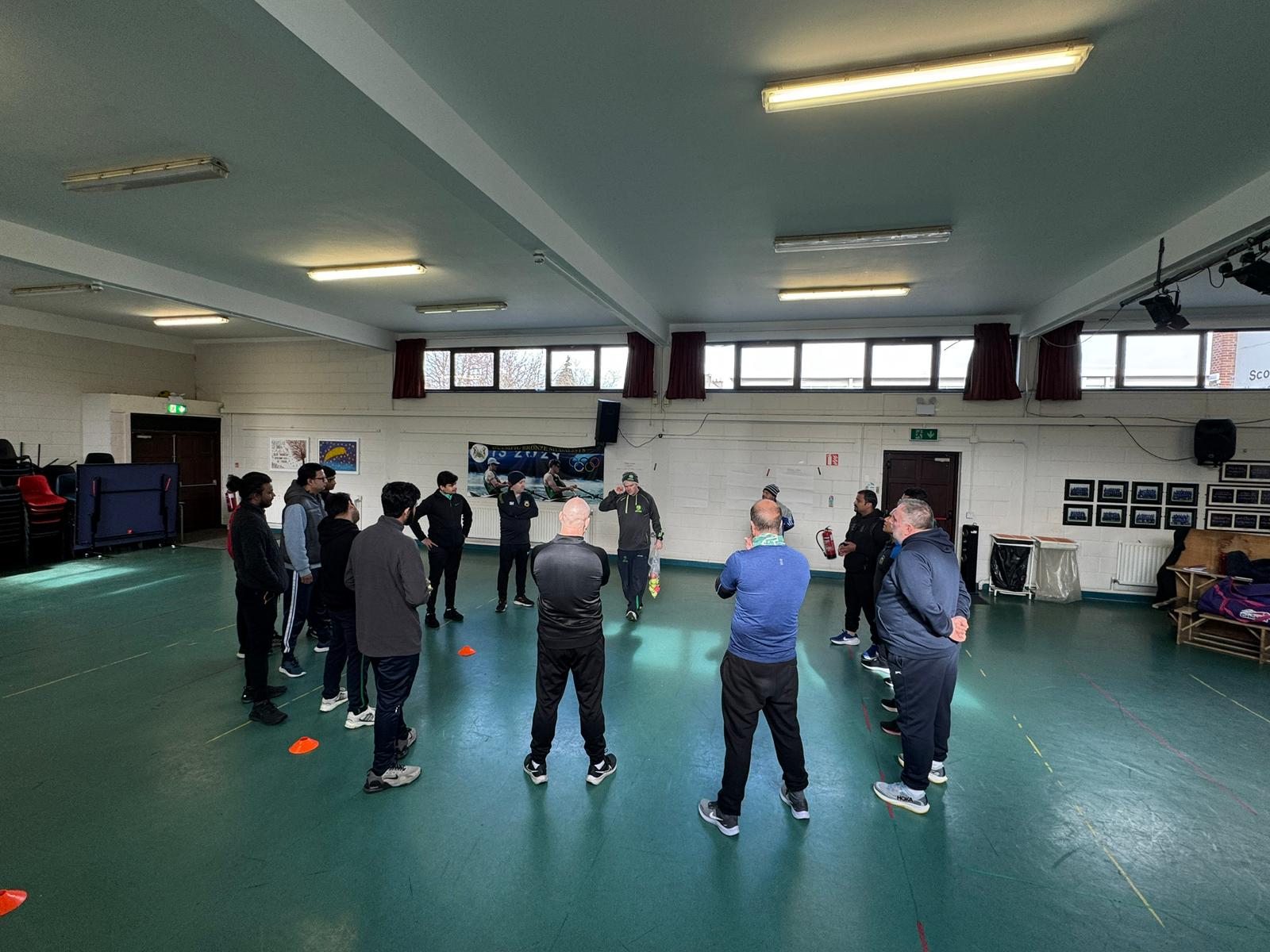
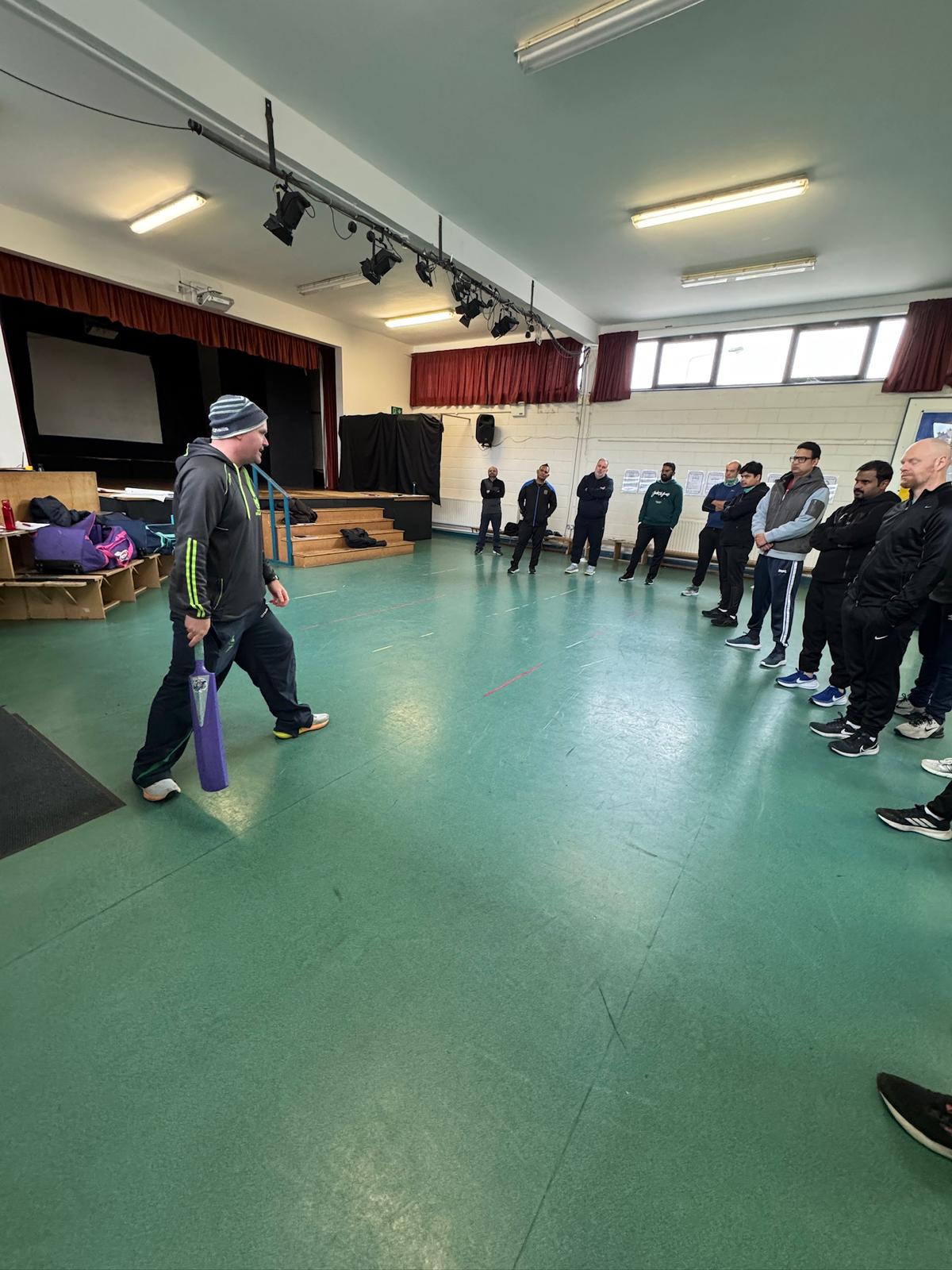
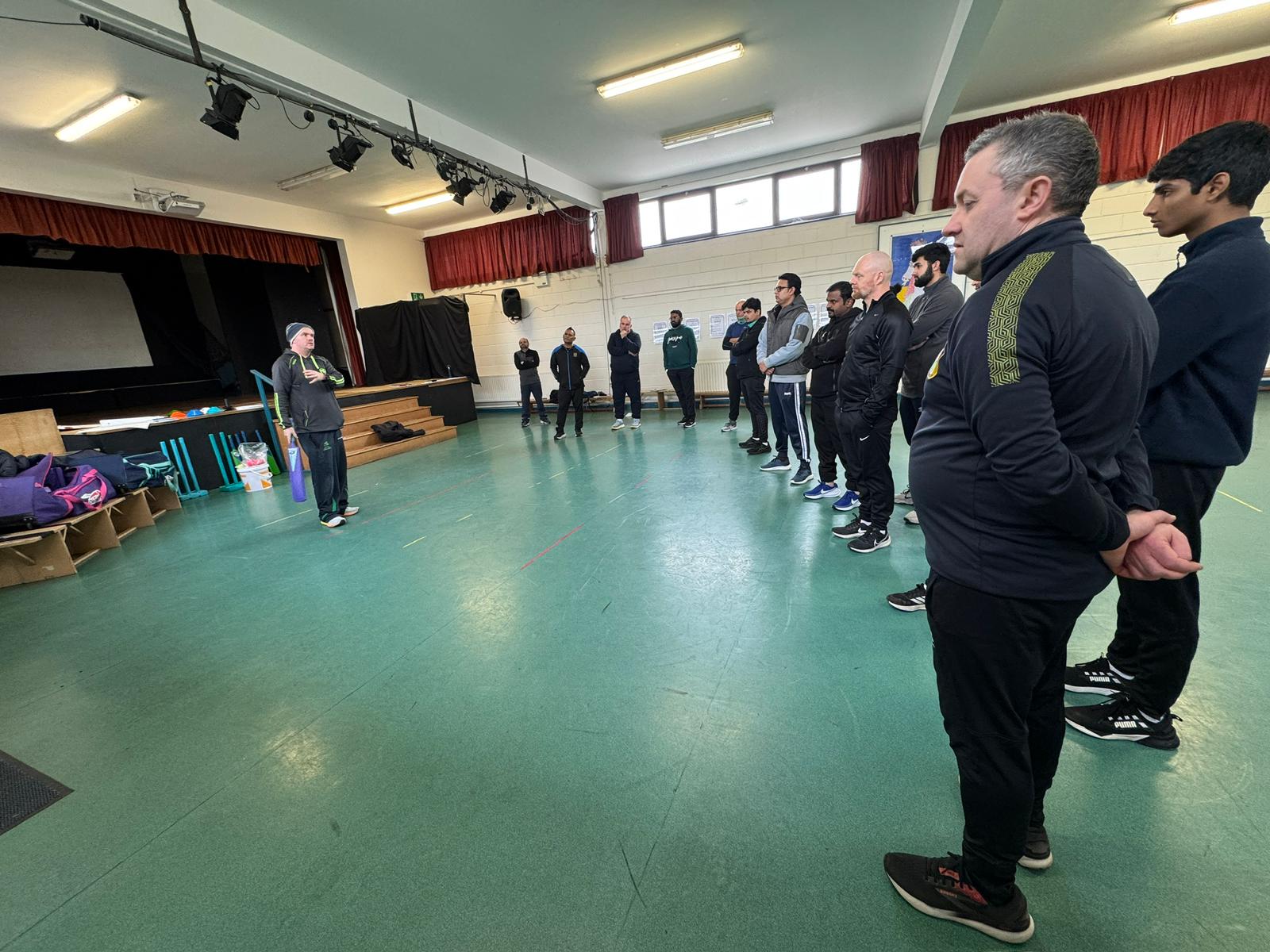
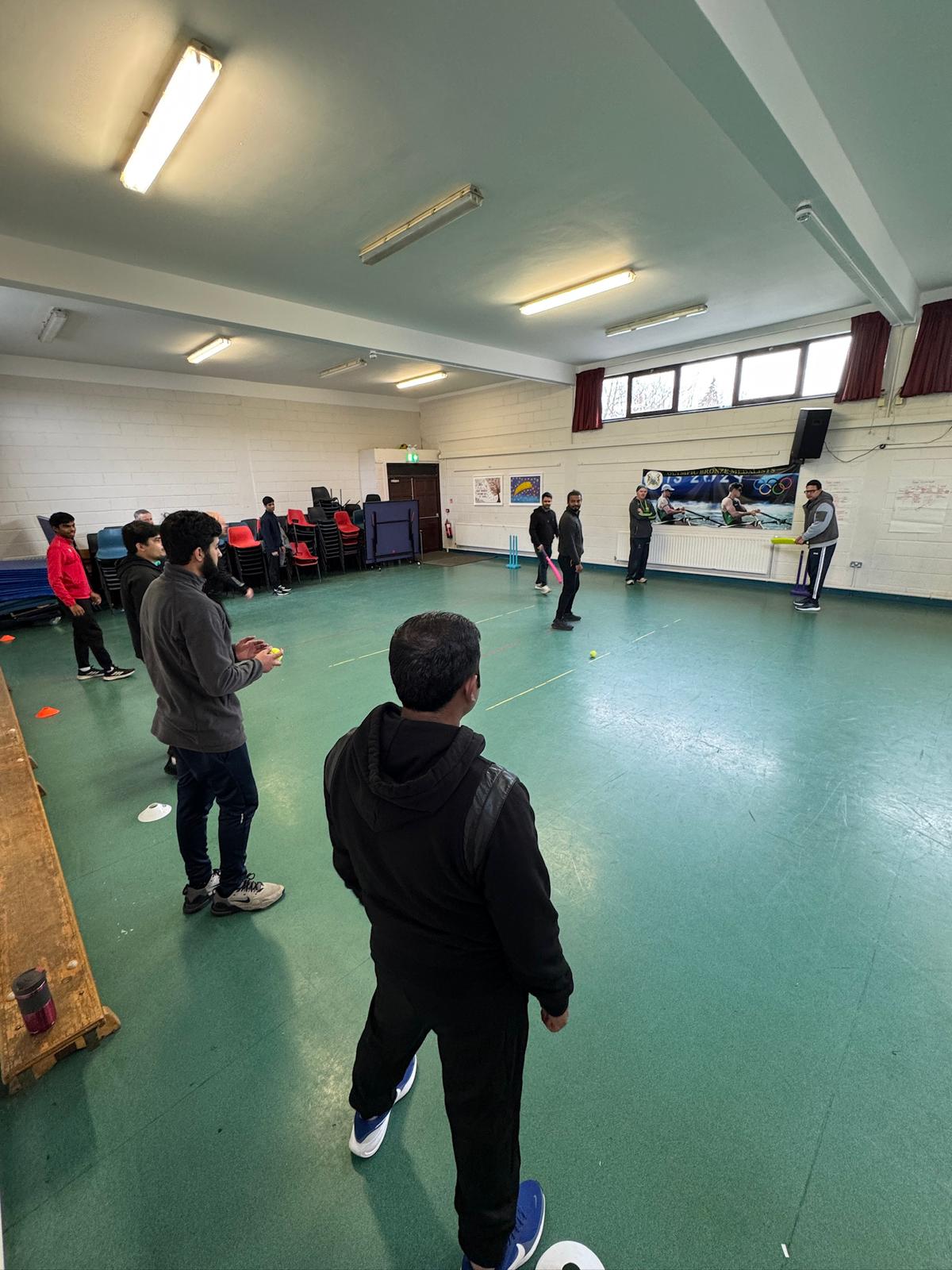
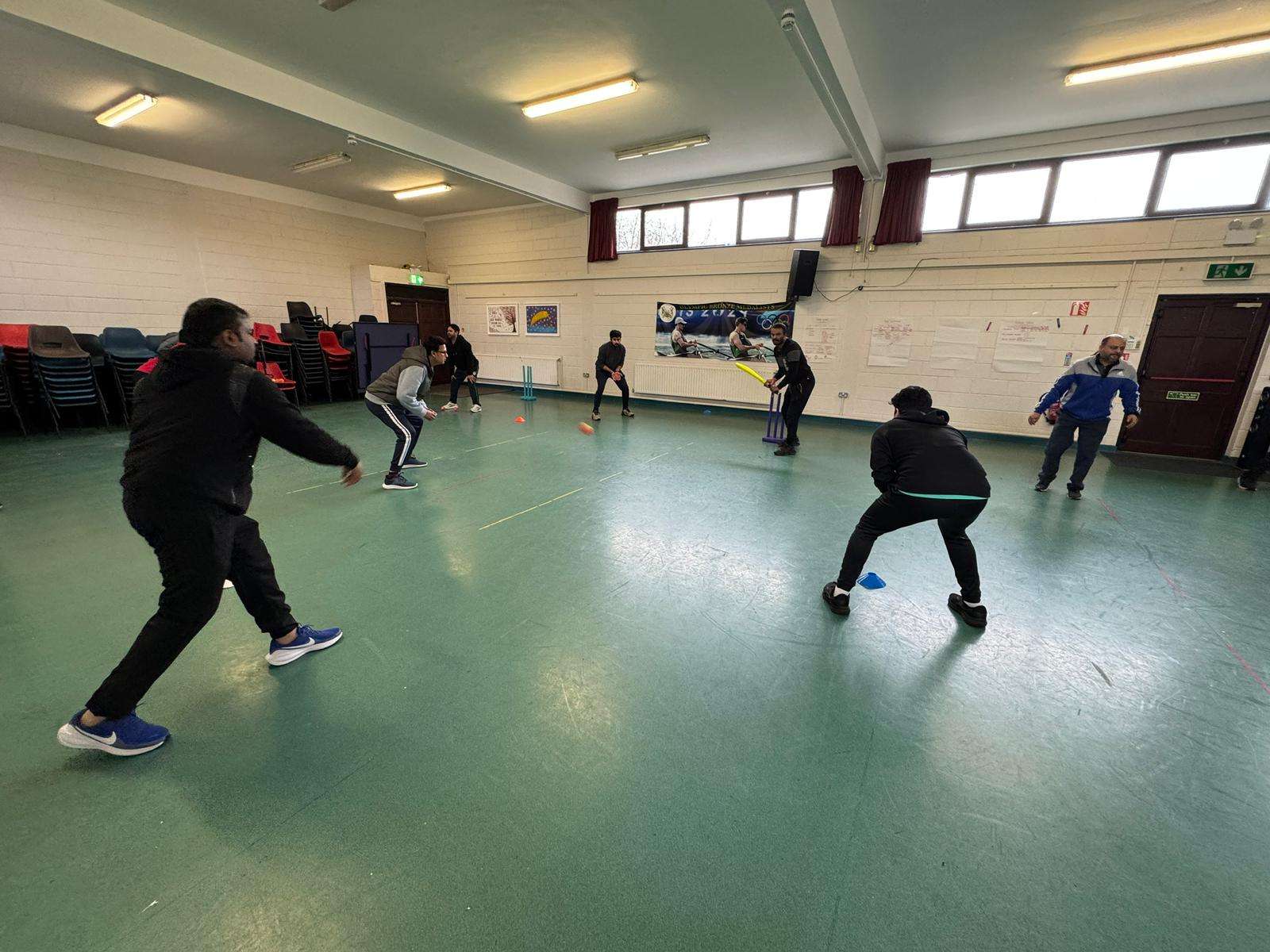
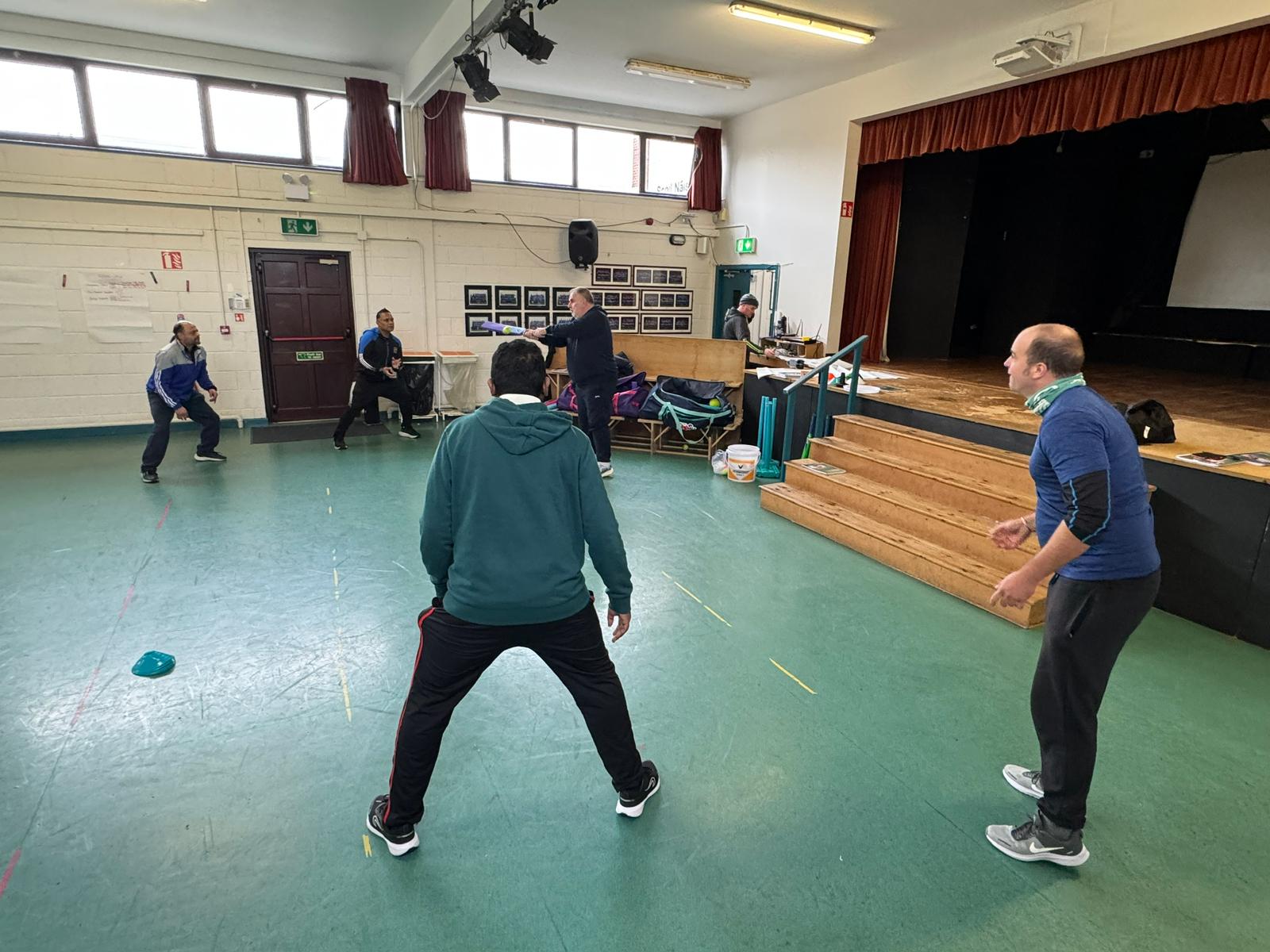
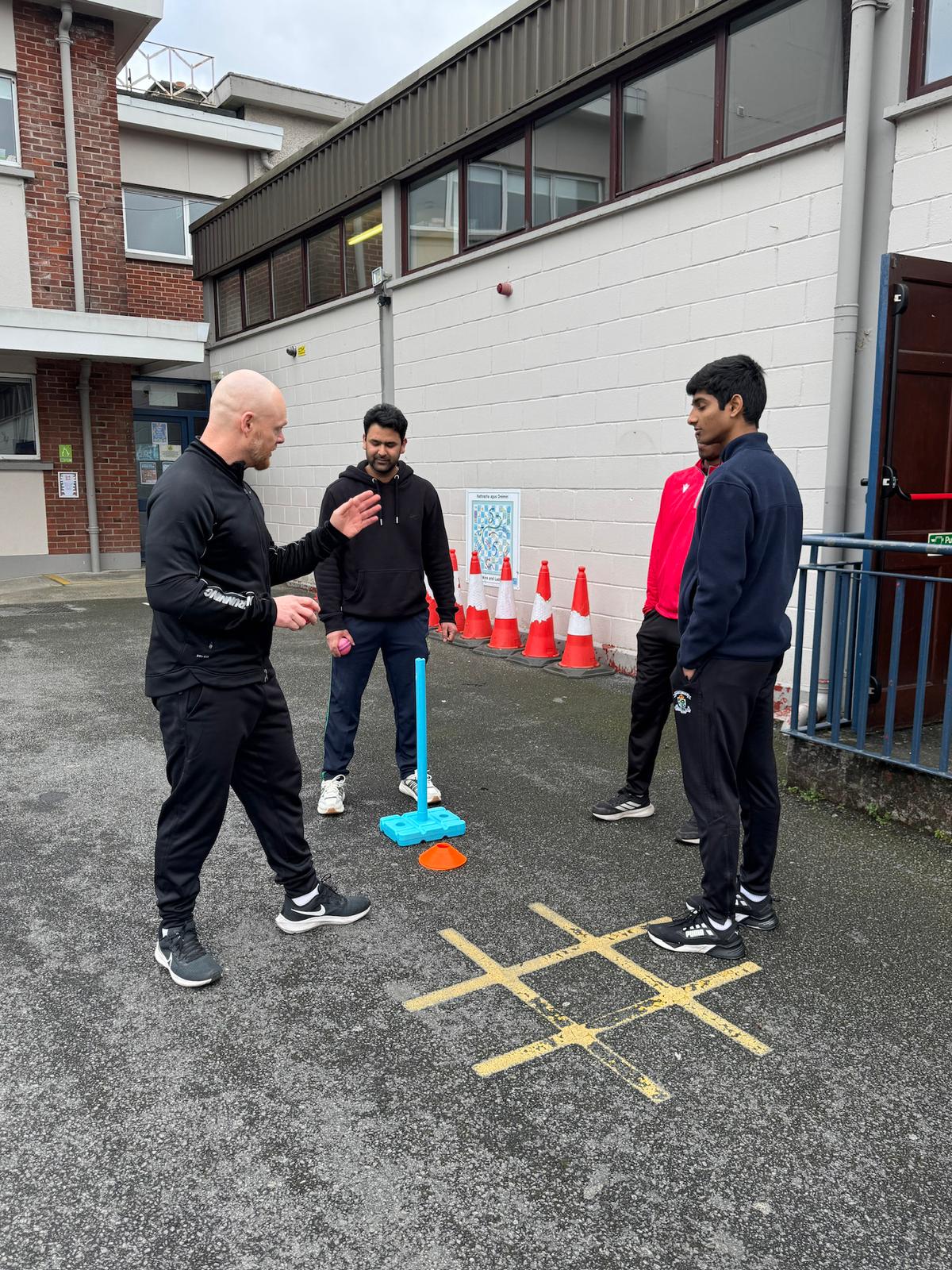
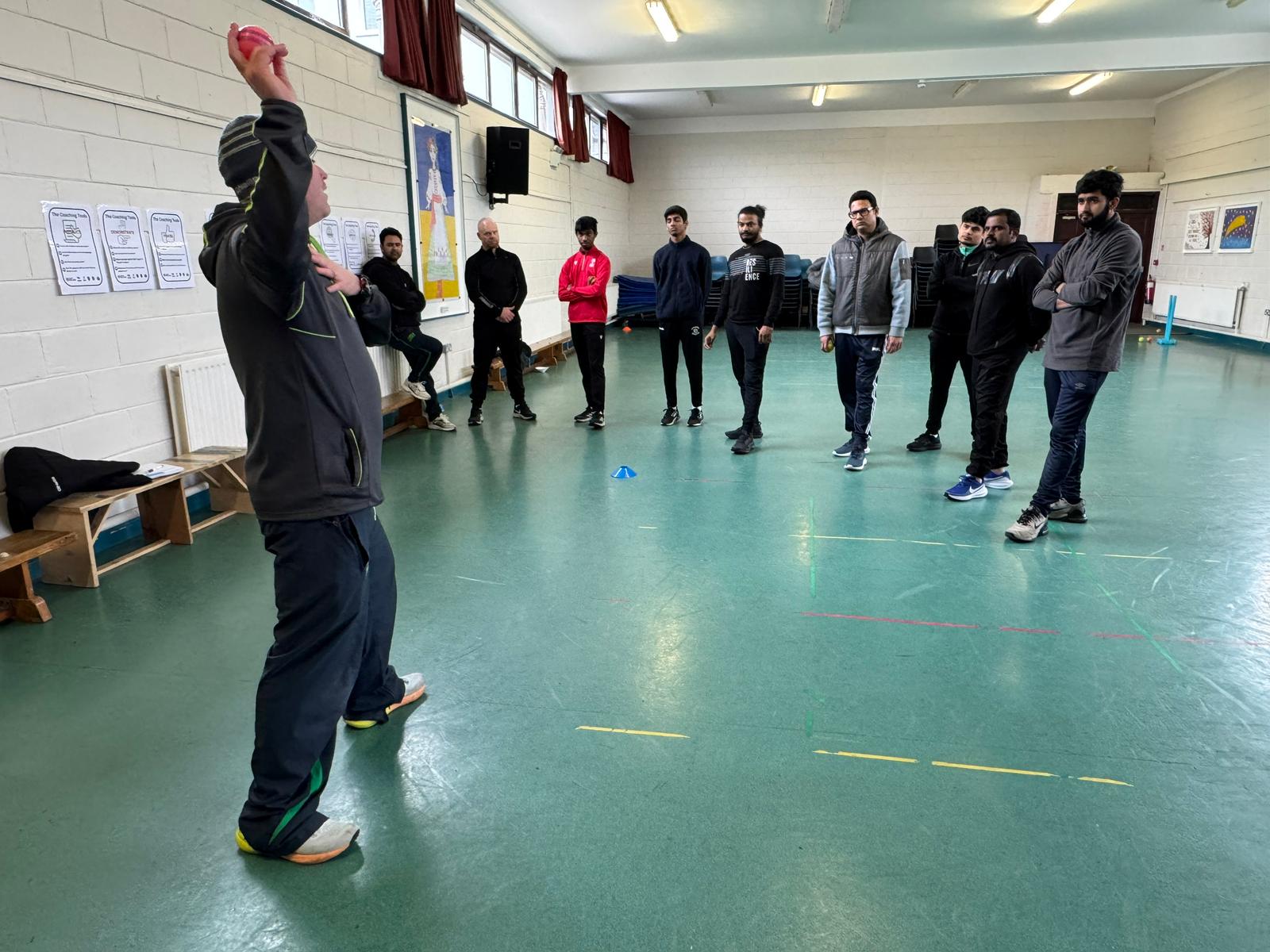
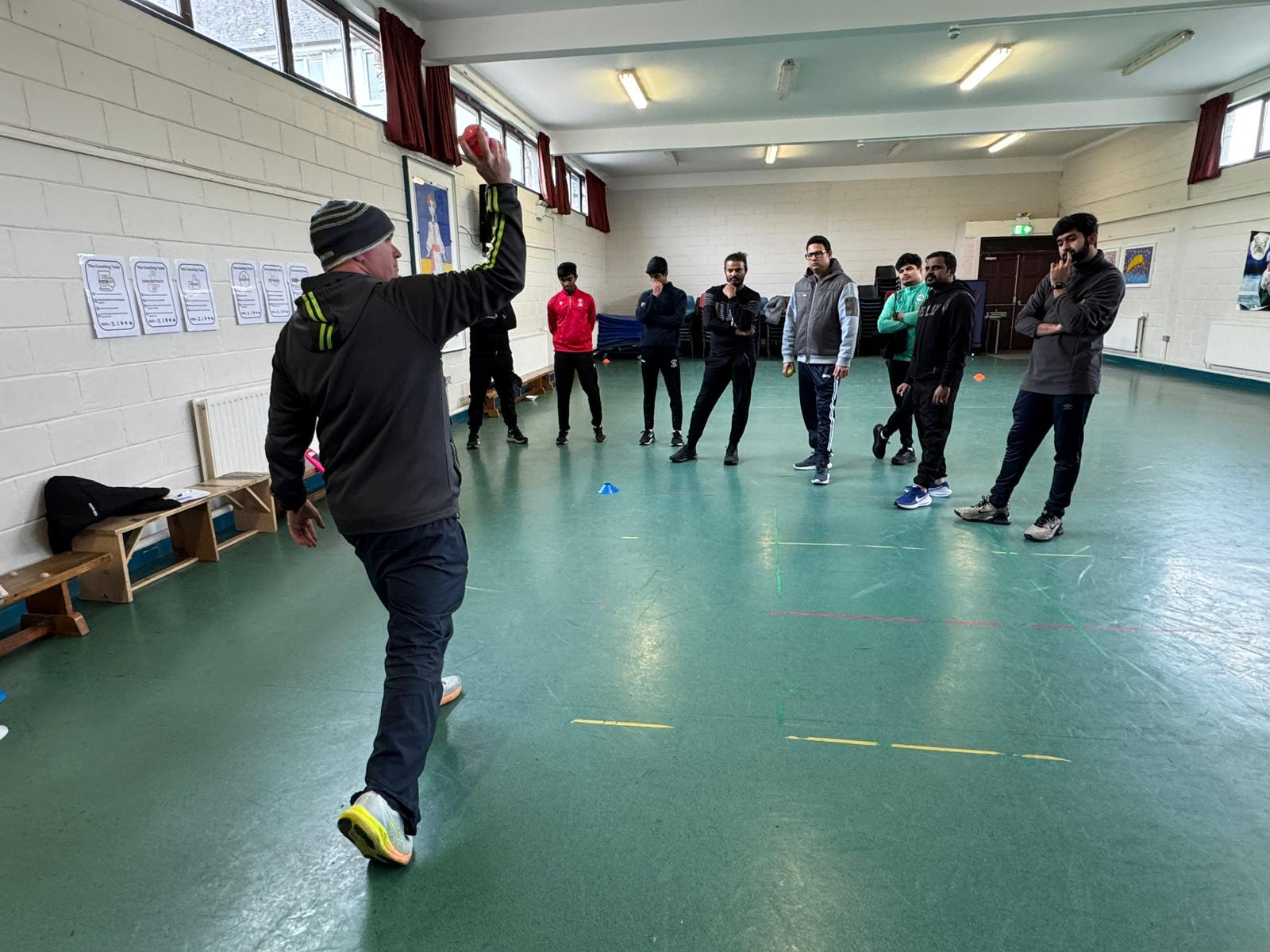
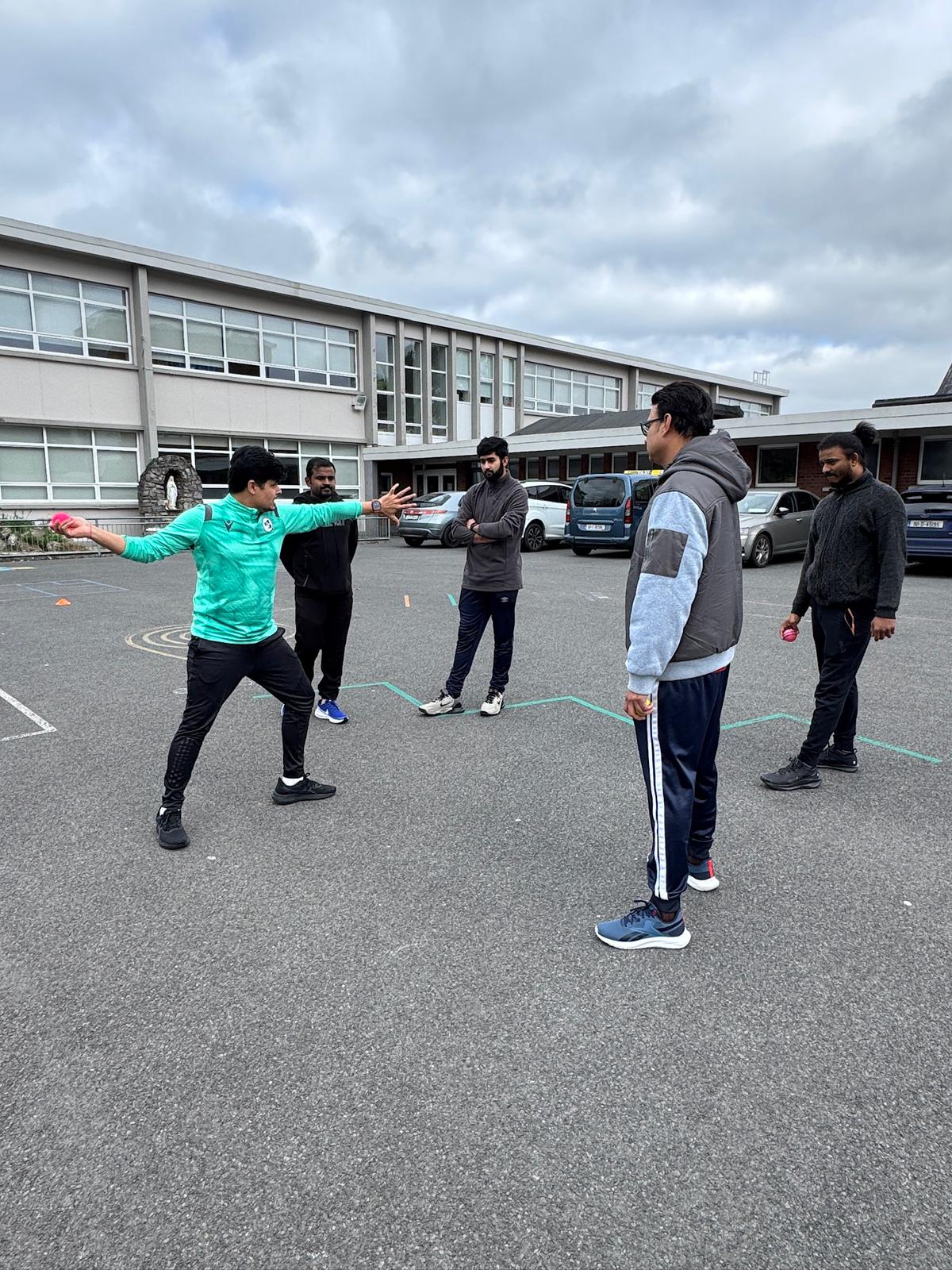
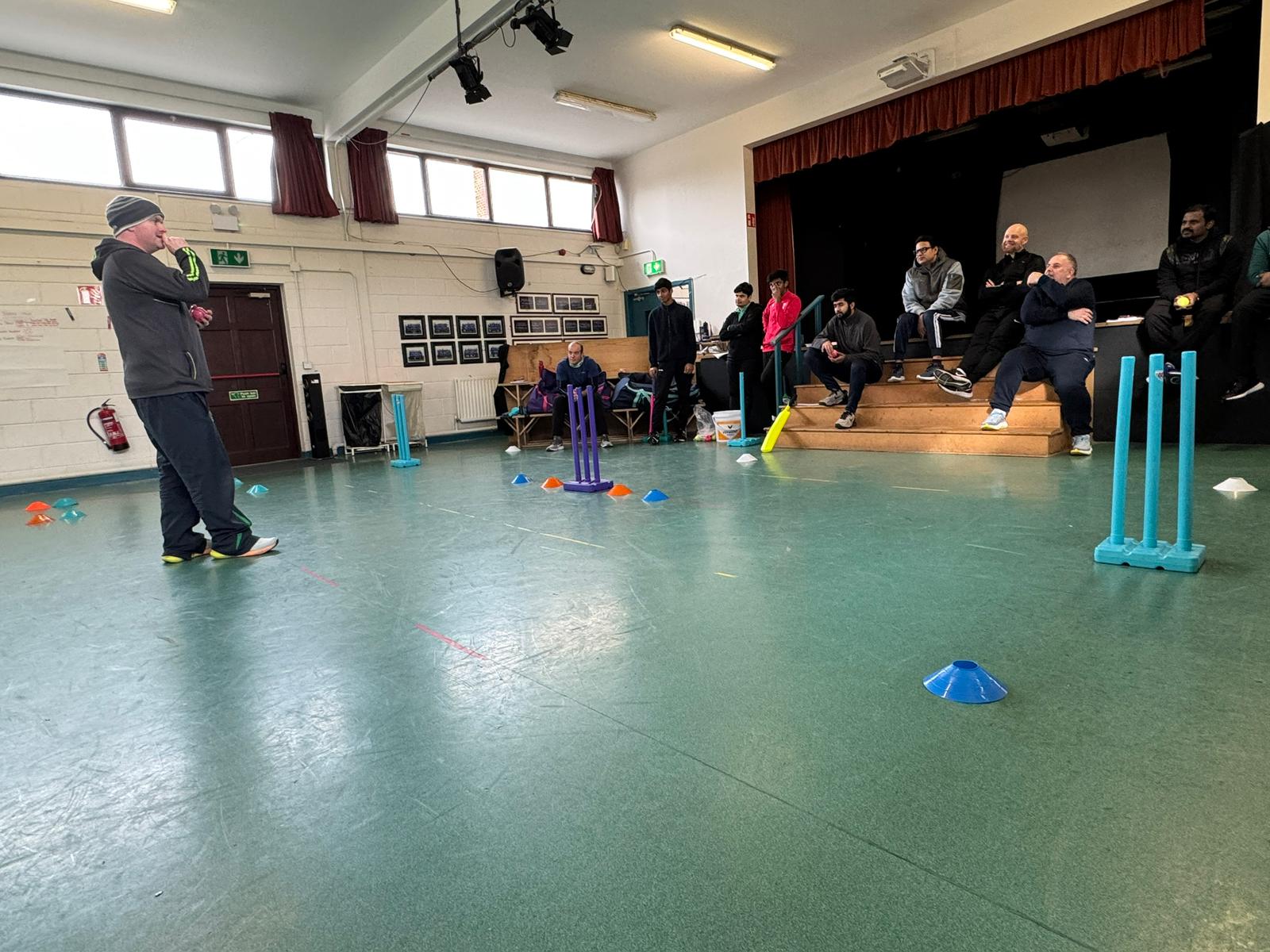
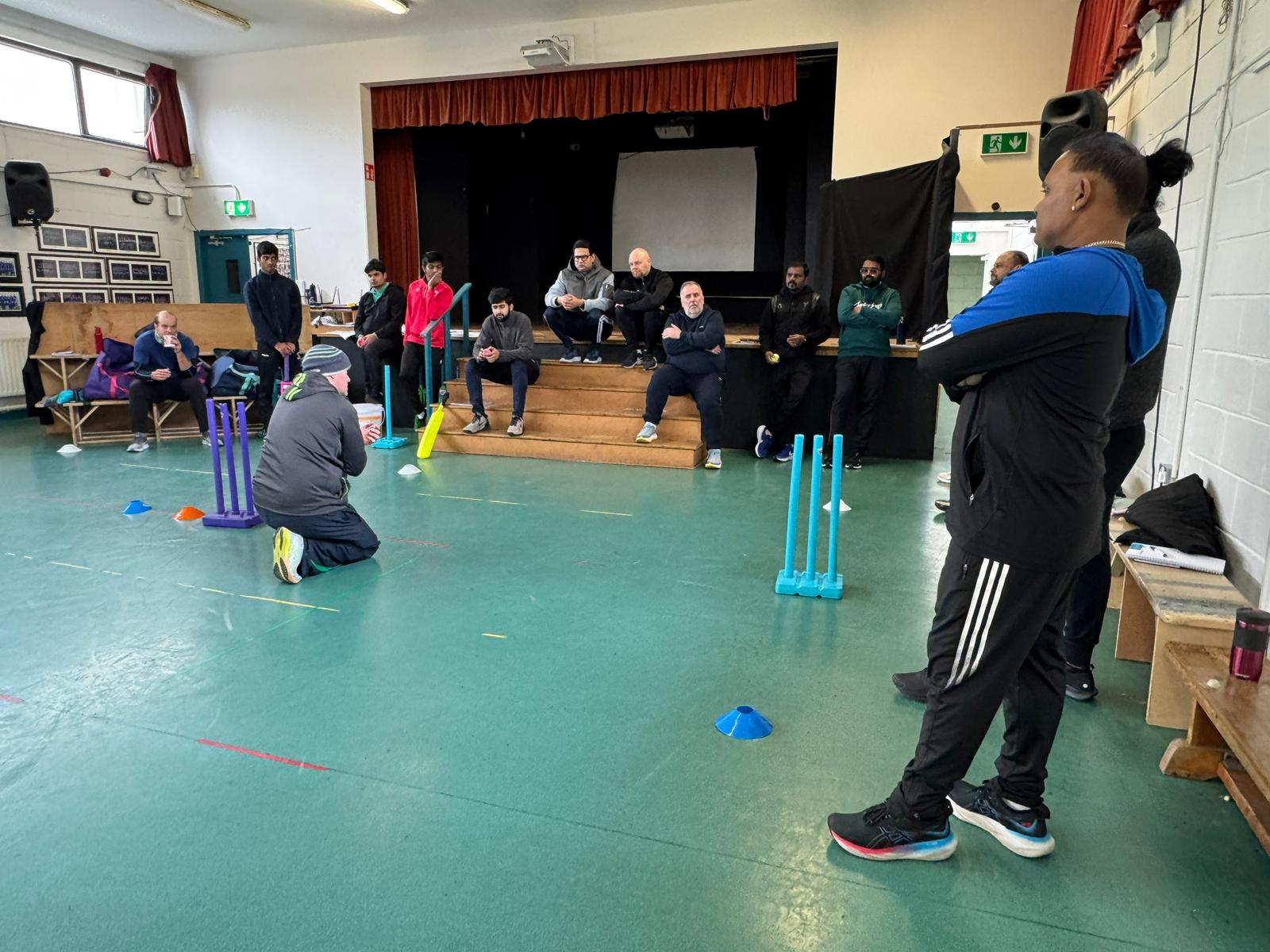
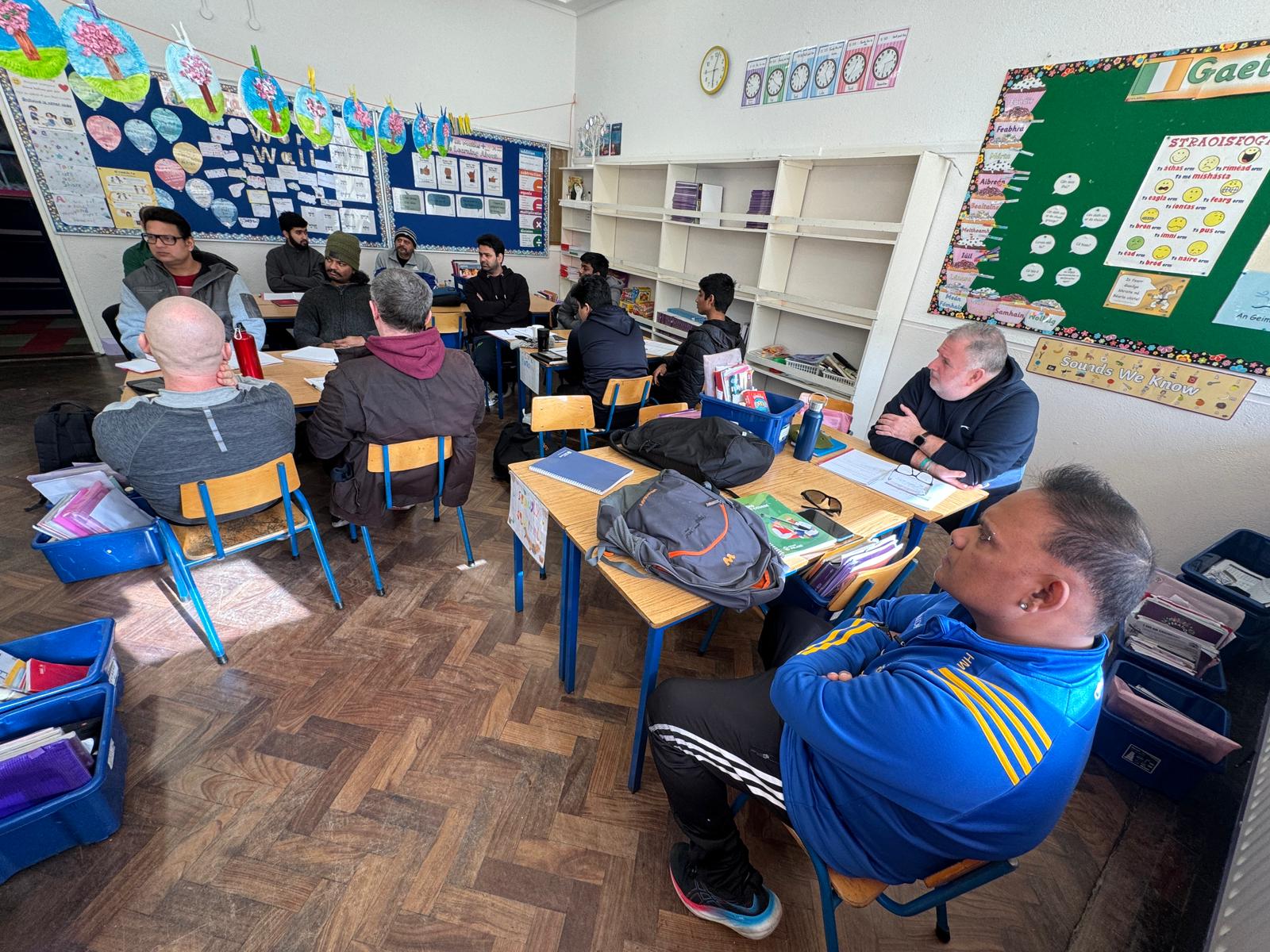
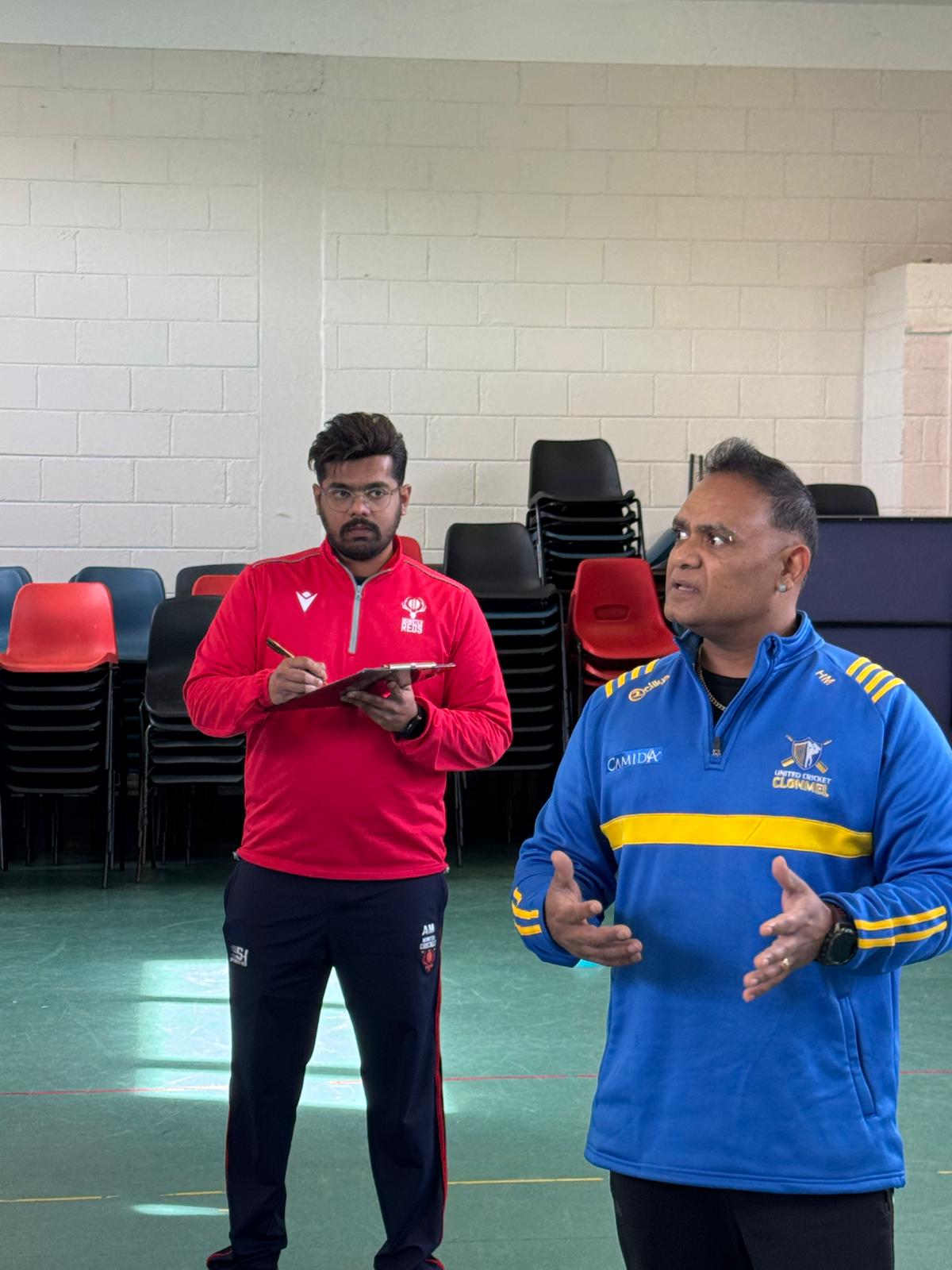
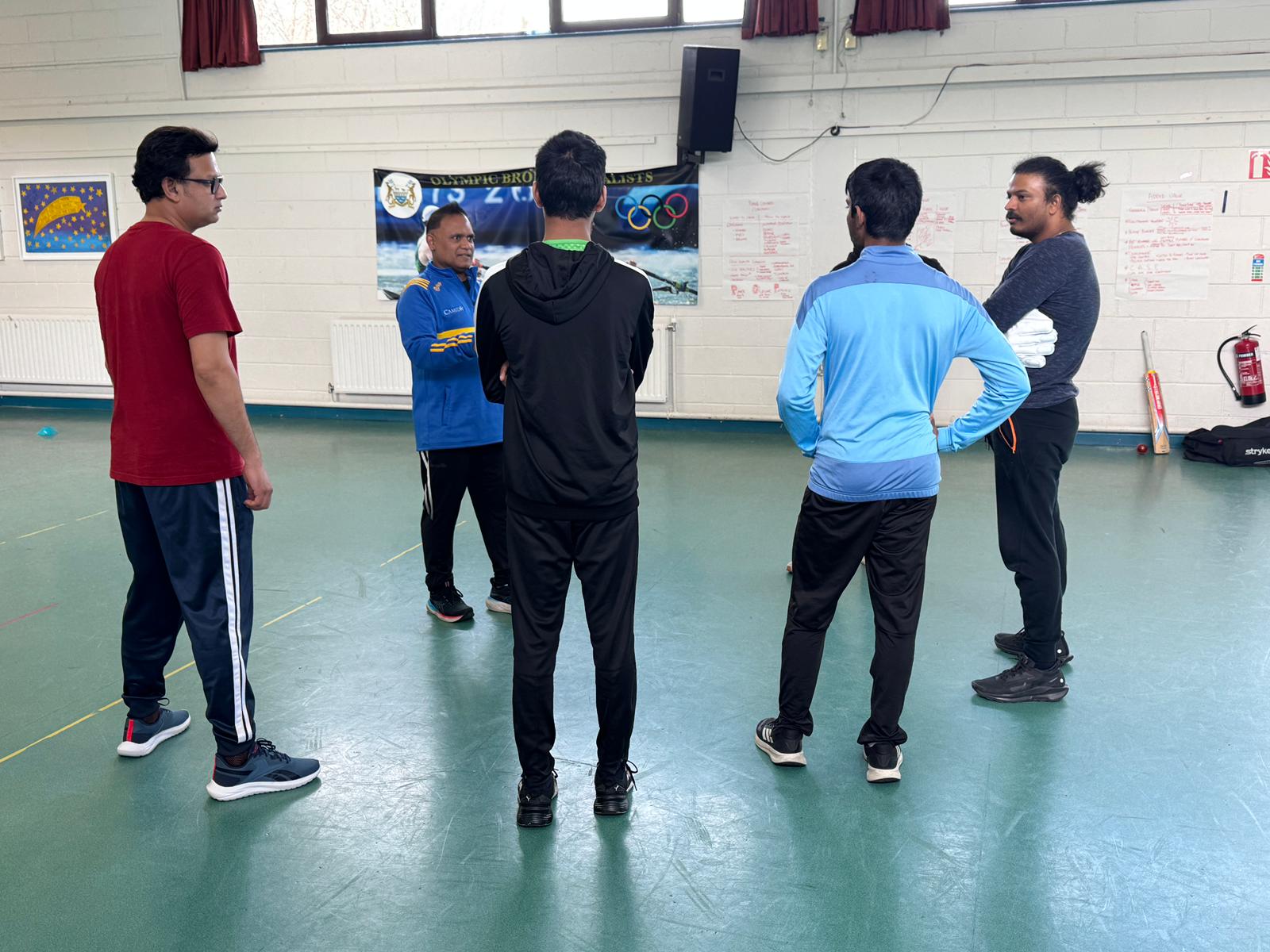
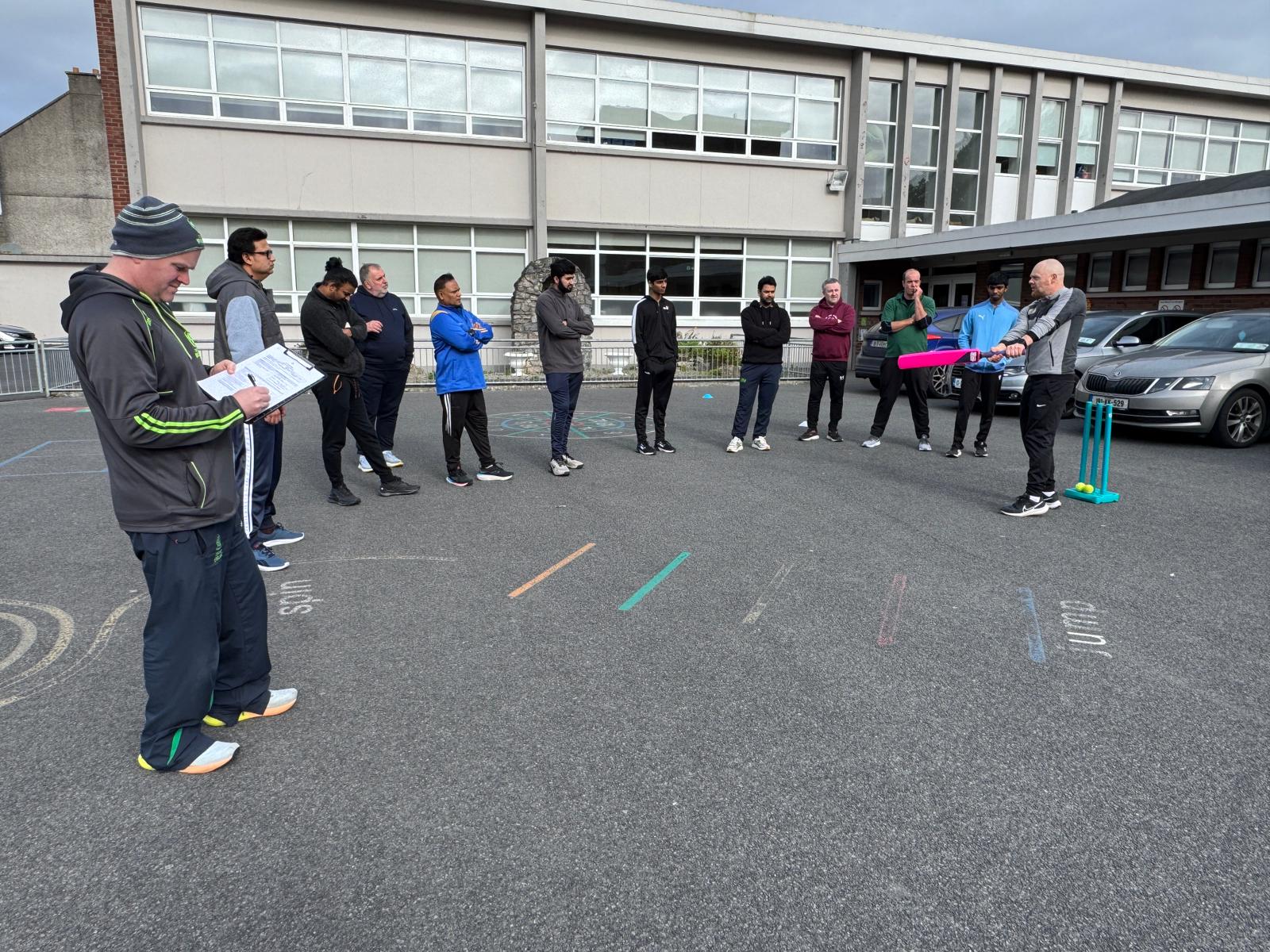
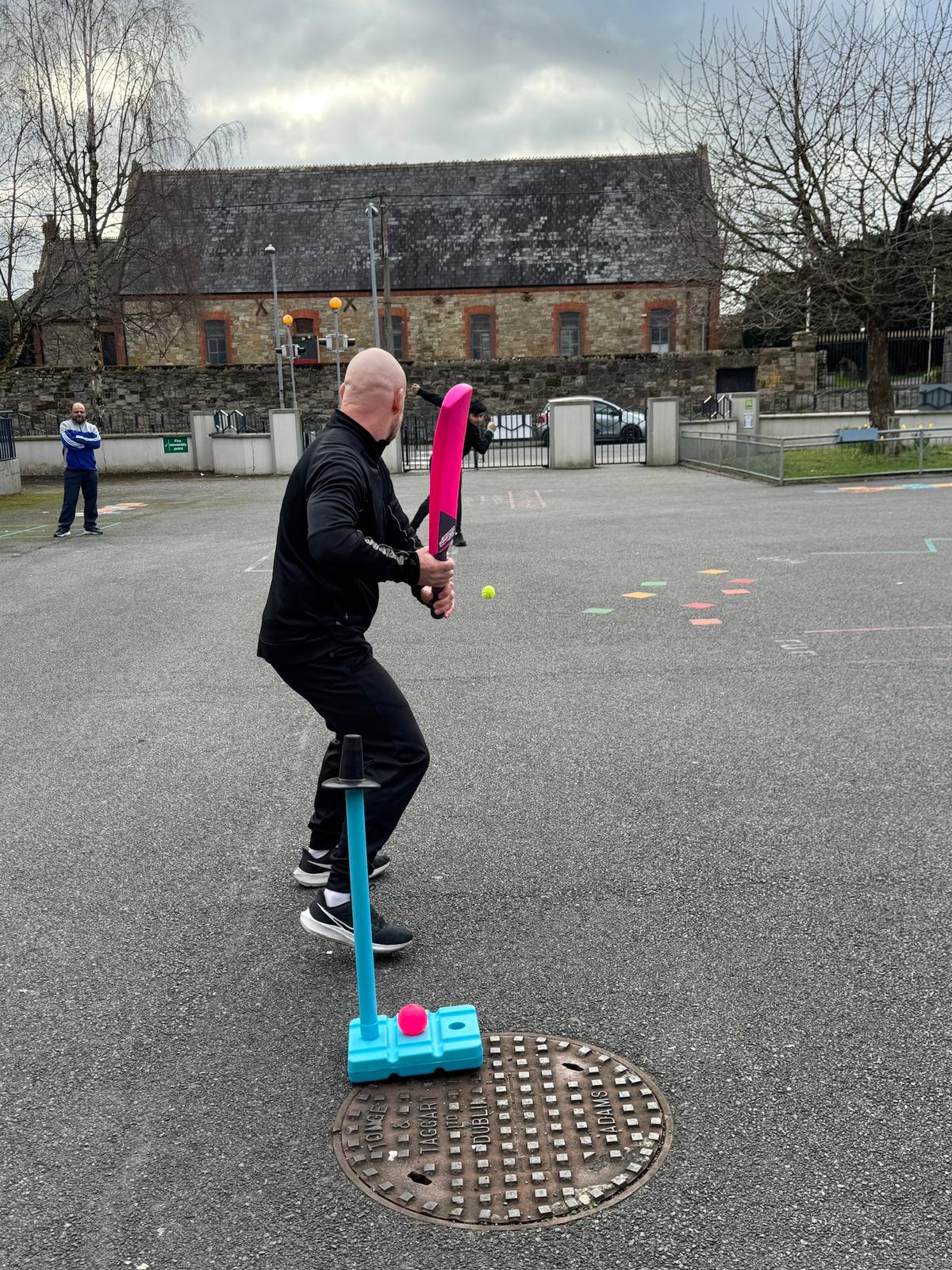
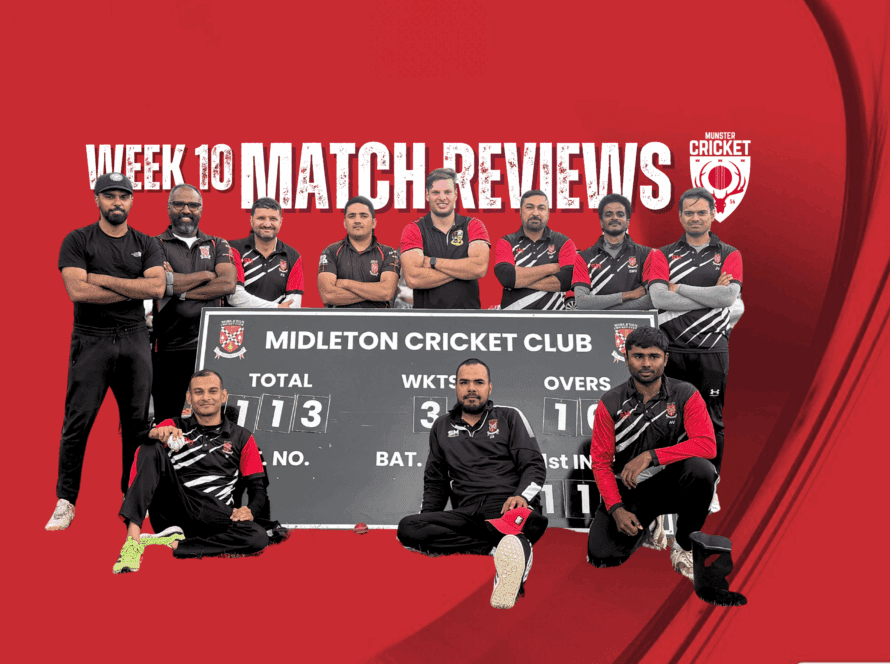
In the heart of County Tipperary, the Sisters of Charity School (Scoil Náisiúnta Mhuire Na Naingealin) Clonmel recently became a focal point for future coaches of Munster cricket. Over the course of a high-intensity weekend, experienced coach Michael Hingston successfully delivered a two-day coaching certification programme.
The course was an immersive experience designed to turn cricket enthusiasts into coaches and educators. By blending theoretical frameworks with “on-the-pitch” practical application, the course addressed a critical goal of development in the Munster region: the growth of a sustainable, skilled coaching network capable of fostering the next generation of cricketers.
1. The Philosophy of Coaching: Beyond the Boundary
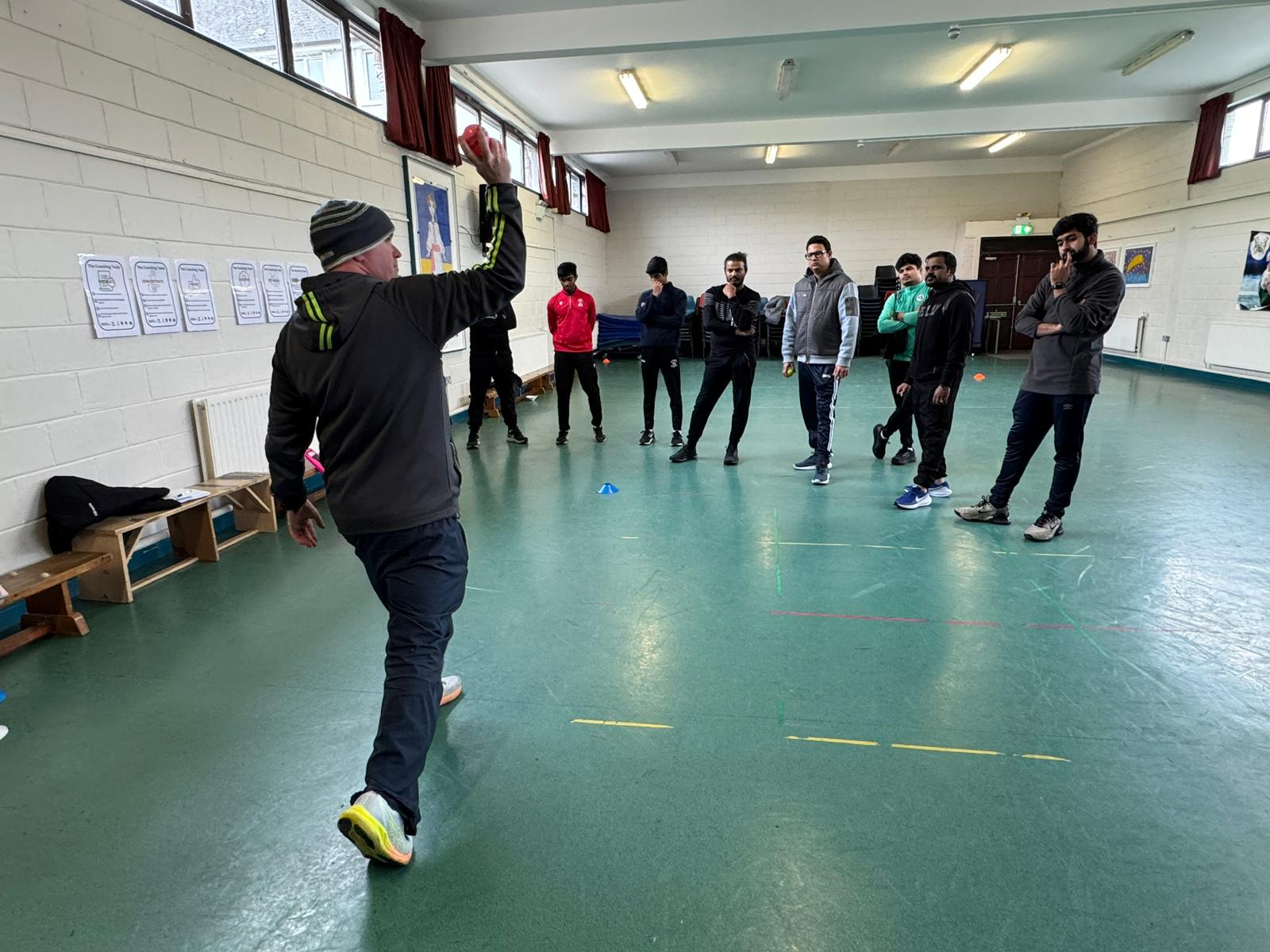
Before a single ball was bowled on Saturday morning, the course established its guiding philosophy. Michael Hingston emphasised that coaching is 10% technical knowledge and 90% communication and environment-building.
The participants—a diverse group ranging from club veterans to curious newcomers—were introduced to the “Coach’s Eye”. This concept focuses on the ability to observe a player, identify a technical flaw, and offer a correction without stifling the player’s natural flair. The atmosphere from the outset was one of collaborative inquiry. Rather than a top-down lecture, Hingston fostered a “think-tank” environment where participants were encouraged to challenge traditional coaching dogmas.
2. Day One: The Mechanics of Excellence
The Technical Blueprint
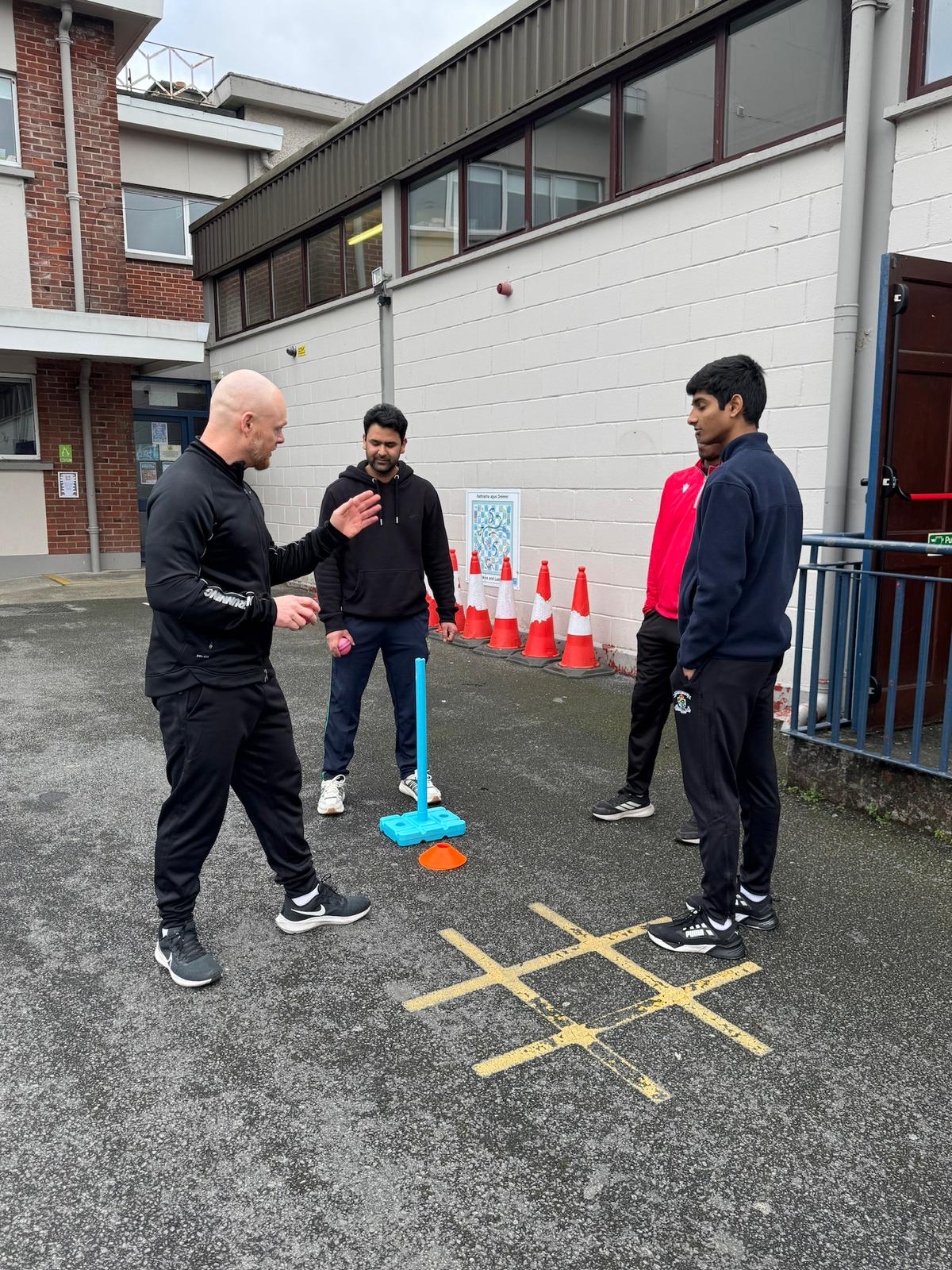
Saturday was dedicated to the “What” and the “How.” For a coach to be effective, they must understand the physics of the game. Hingston broke down the three pillars of cricket into digestible, teachable segments.
A. The Art of Batting: Balance and Intent
The batting module focused on the “stilled head” principle. Participants learned that all successful shots, from the defensive block to the aggressive loft, begin with a stable base. Hingston demonstrated the v-grip and the importance of the “back and across” trigger movement. By breaking the swing down into phases—the backlift, the downswing, and the follow-through—coaches were given a checklist to use when working with young players.
B. Bowling: The Kinetic Chain
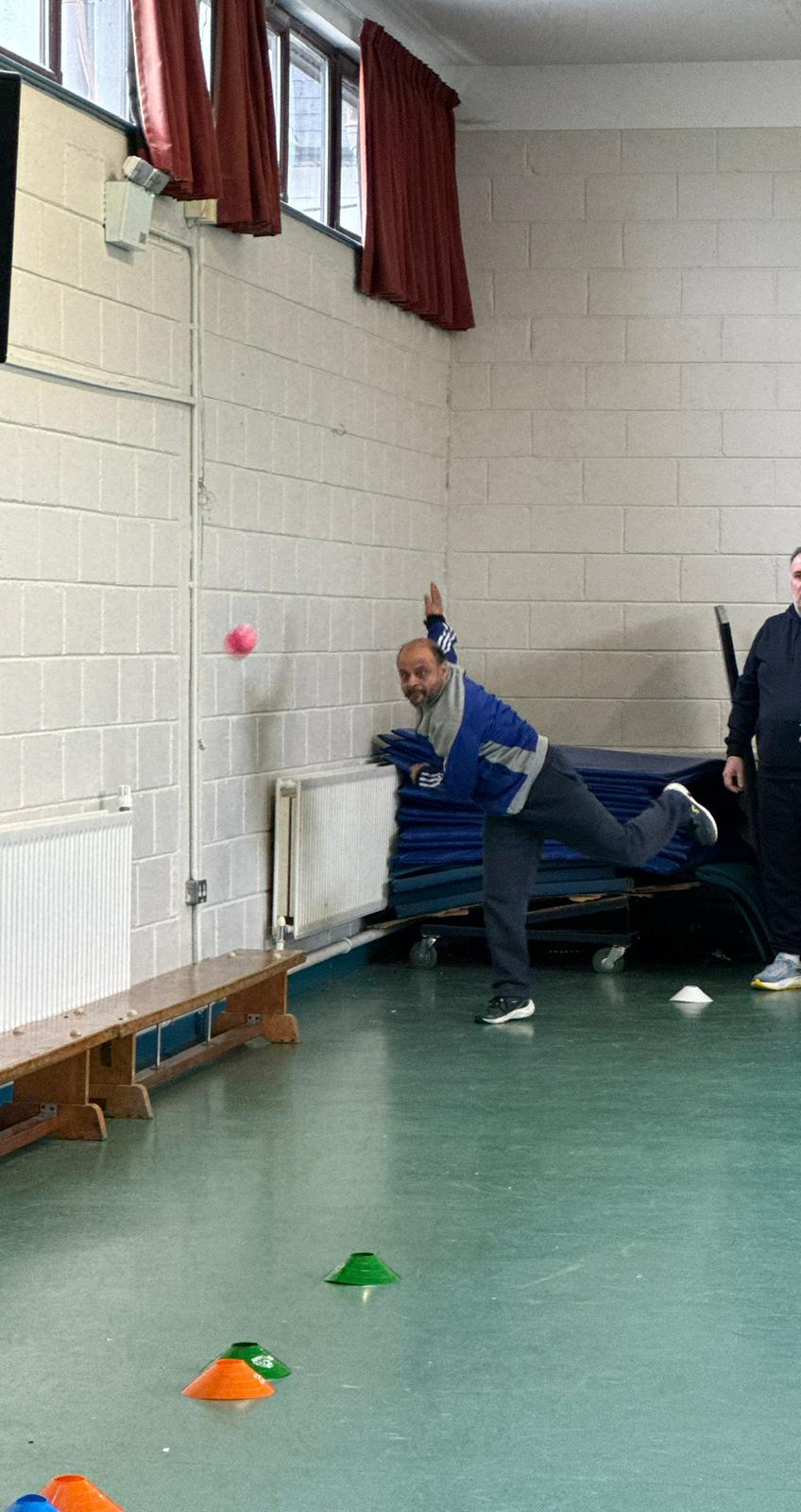
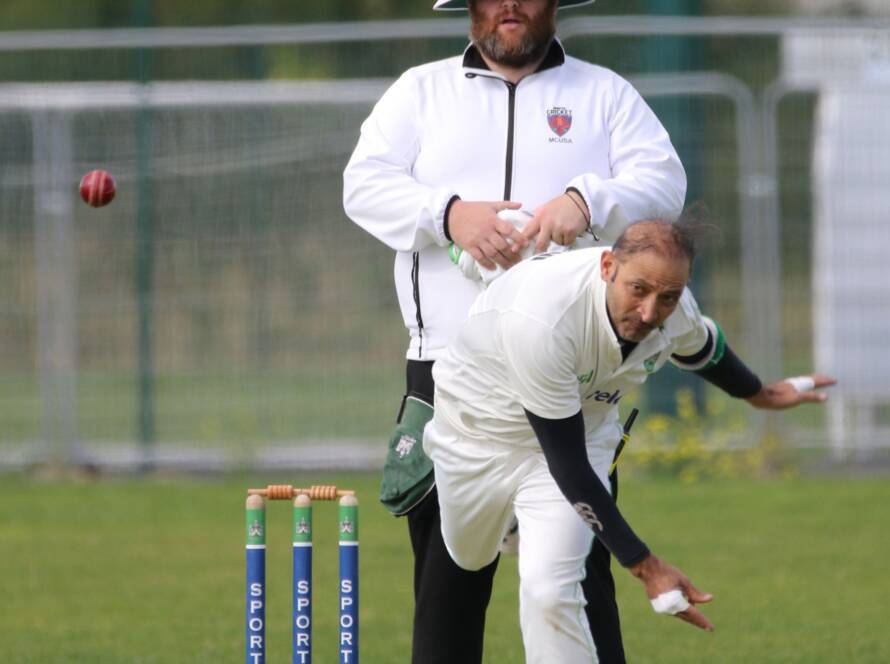
Bowling is perhaps the most physically demanding aspect of the sport. The course focused on injury prevention through “alignment.” Hingston provided detailed demonstrations on the “gather” and the “release point.” Participants discussed the differences between side-on, front-on, and mixed actions, learning why a “mixed action” (where the hips and shoulders are misaligned) is the primary cause of lower-back injuries in teenage bowlers.
C. Fielding: The Often-Forgotten Third
Fielding was treated not as a chore, but as an opportunity for athleticism. The sessions covered the “long barrier” for boundary work and the “attacking crouch” for infielding. The technical breakdown included the mechanics of the overarm throw, emphasizing the use of the non-throwing arm as a guide for accuracy and power.
From Theory to Practice: The Player’s Perspective
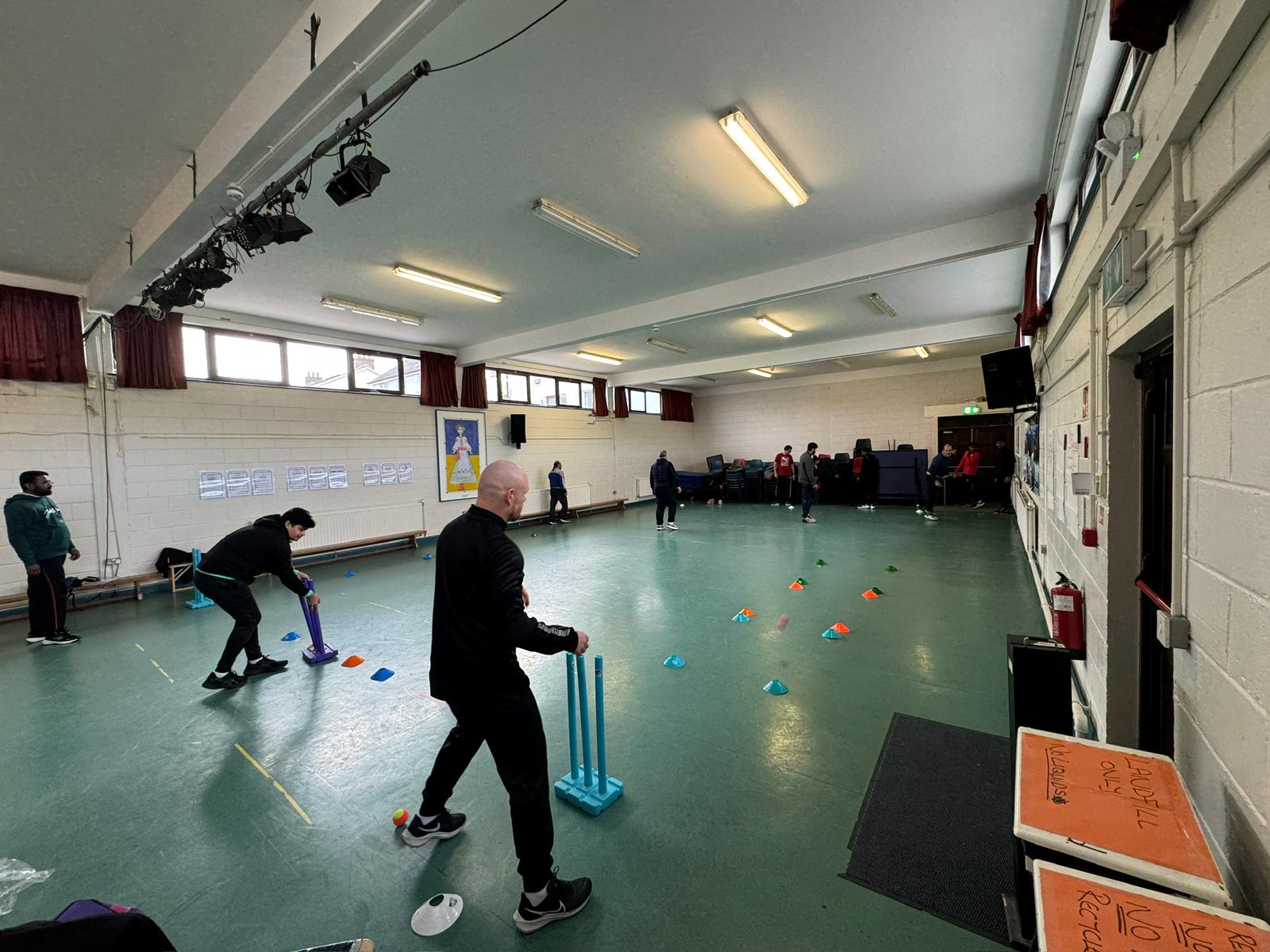
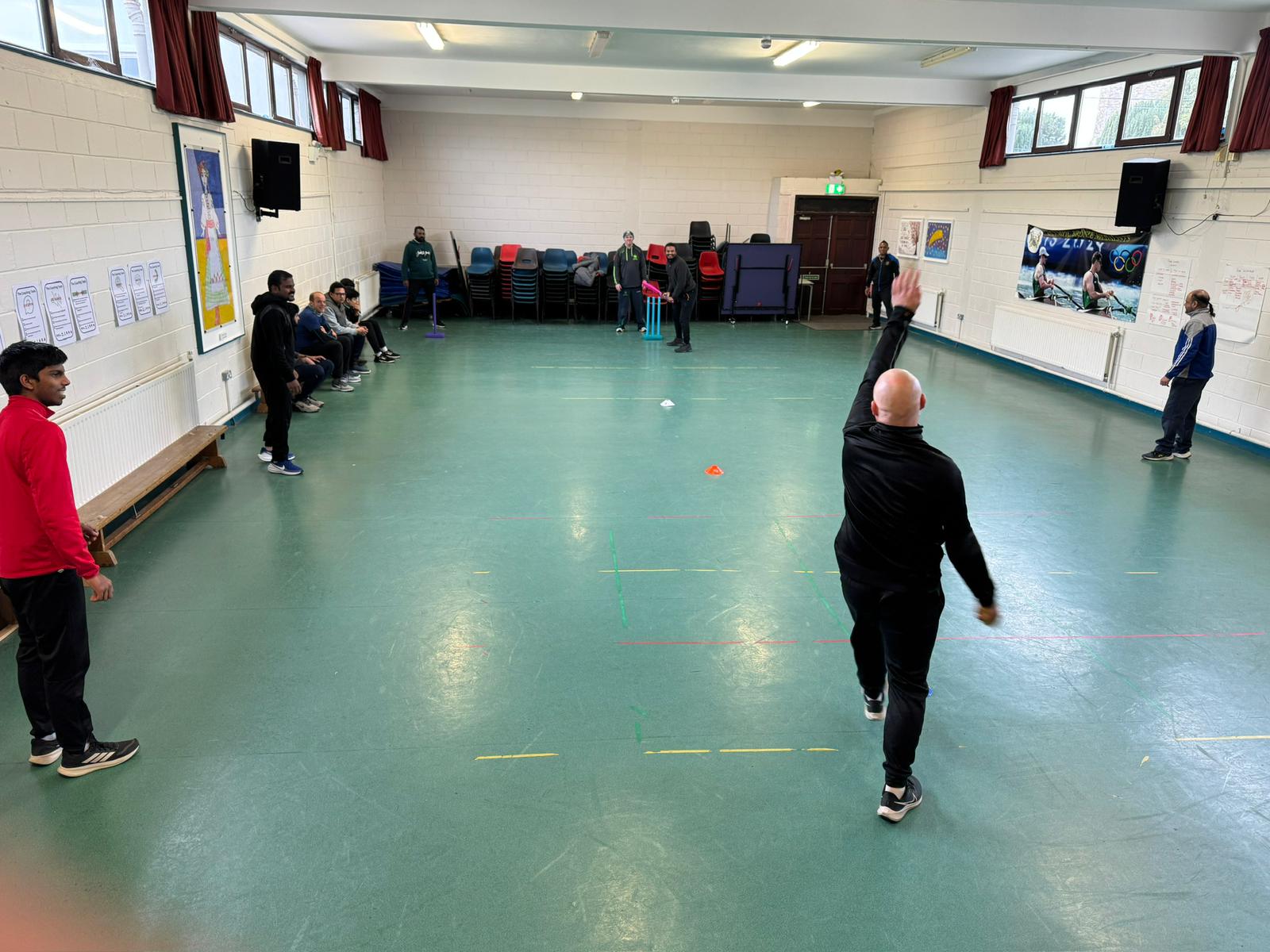
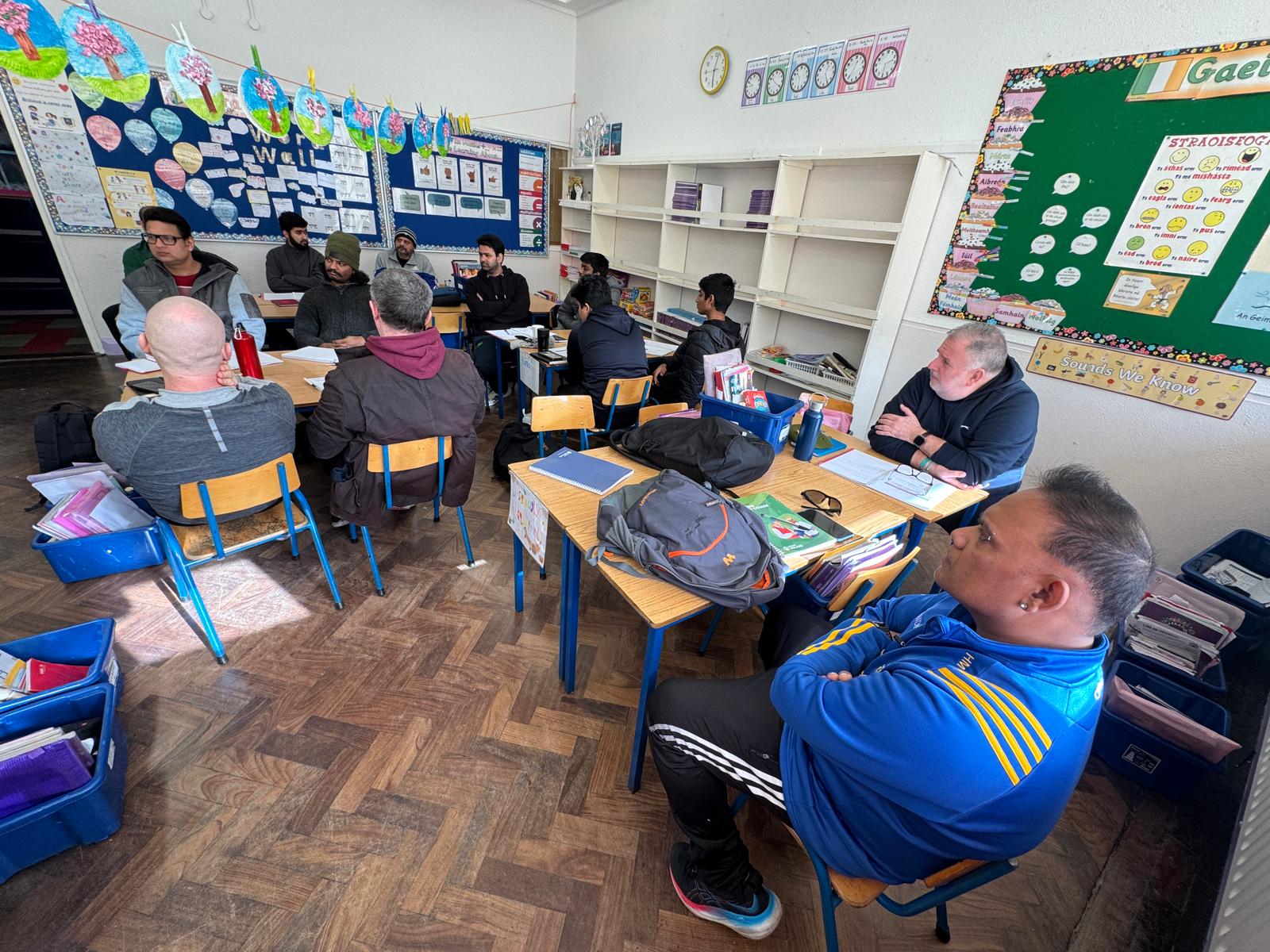
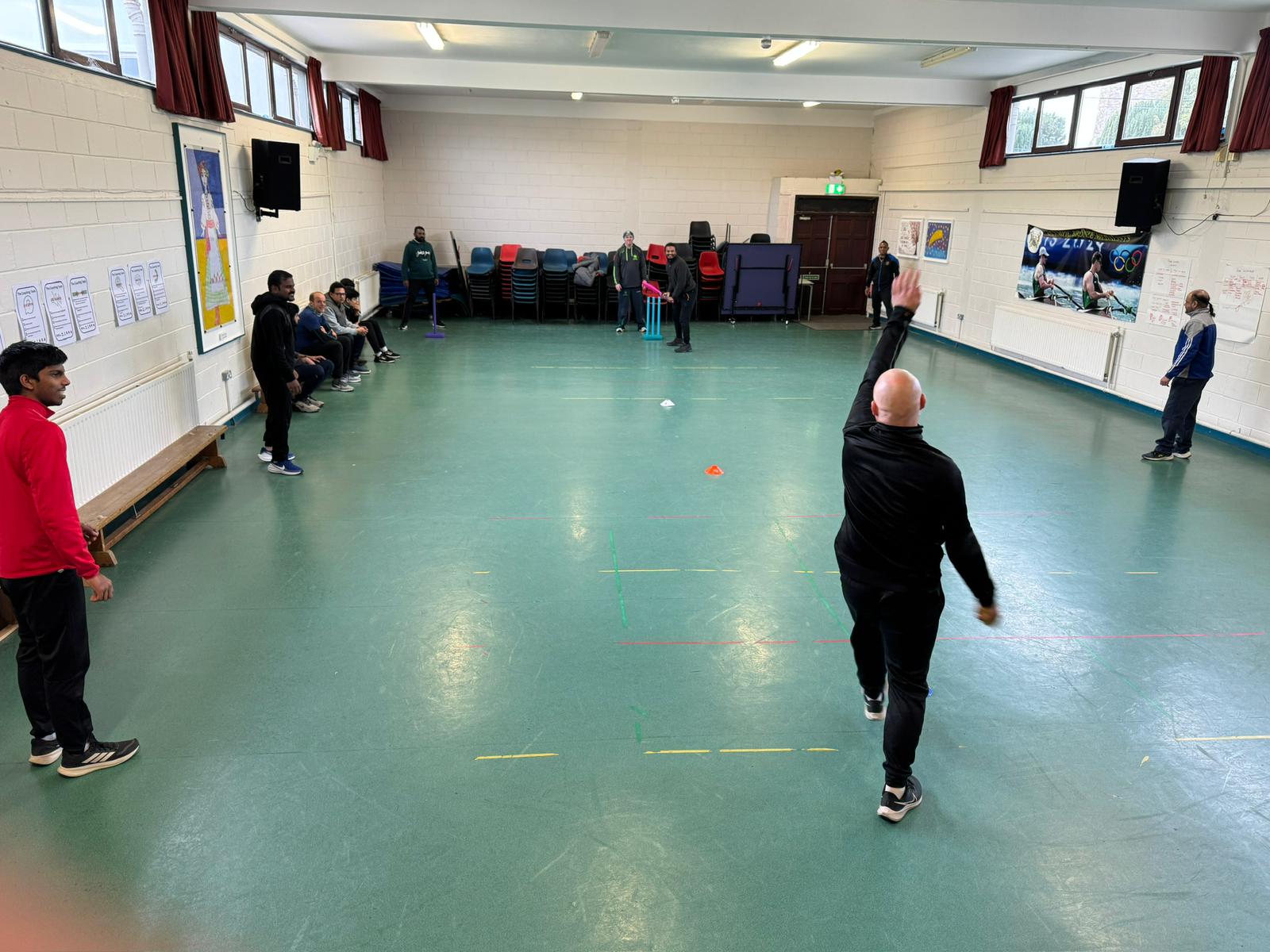
A unique element of this course was the “Player-Perspective Drill.” Participants didn’t just watch; they performed. By stepping into the shoes of a student, the coaches experienced the frustration of a difficult drill and the satisfaction of a well-executed skill.
This phase concluded with Game-Based Learning (GBL). Instead of static net practice, Hingston introduced modified games like “Continuous Cricket” and “Diamond Cricket.” These games forced the coaches to think about how to keep 20 children engaged simultaneously—a common challenge in school-based coaching.
3. Day Two: The Crucible of Assessment
If Saturday was about intake, Sunday was about output. The focus shifted to Coaching Assessments, where the participants transitioned from students to leaders.
The Planning Phase
Each participant was assigned a specific skill to teach. This required them to create a session plan that followed the IDEA principle:
- Introduce the skill.
- Demonstrate the technique.
- Explain the key points.
- Attend to the players (provide feedback).
Practical Delivery: Key Case Studies
The assessments were varied and rigorous. Several standout sessions illustrated the depth of learning:
- The Back Foot Drive: This assessment required the coach to teach balance and weight transfer. The participant had to explain how to “get tall” on the toes and punch the ball through the off-side, emphasising that the power comes from the timing, not the muscle.
- The Pull Shot: A favorite among the participants, this session focused on the horizontal bat. Coaches learned to teach players how to identify a “short” ball early, pivot on the front foot, and roll the wrists to keep the ball on the ground.
- Line and Length Bowling: This was a masterclass in precision. The assessing coach had to set up a “target zone” on the pitch. The goal wasn’t just to bowl fast, but to land the ball in the “corridor of uncertainty.”
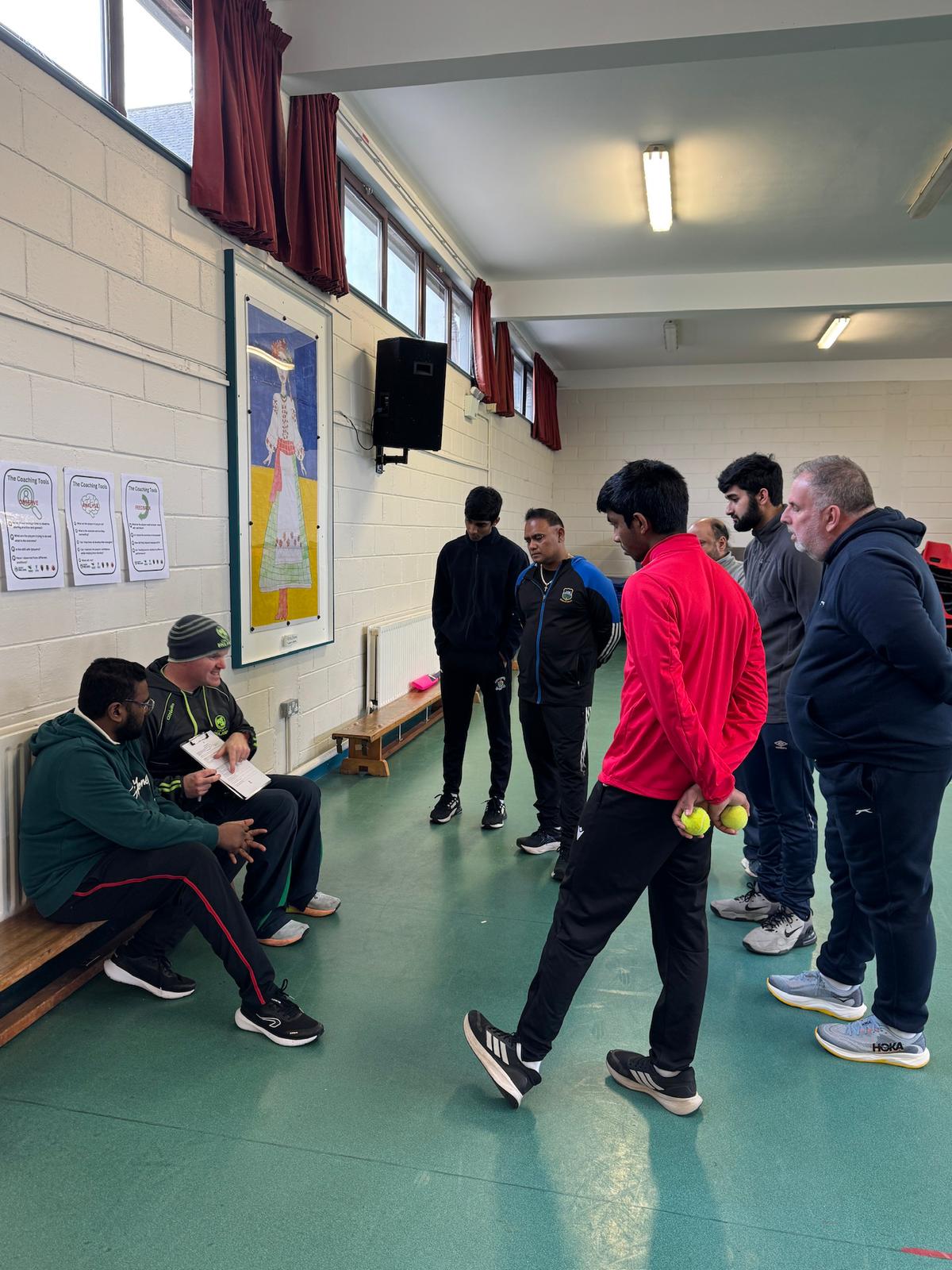
The Feedback Loop
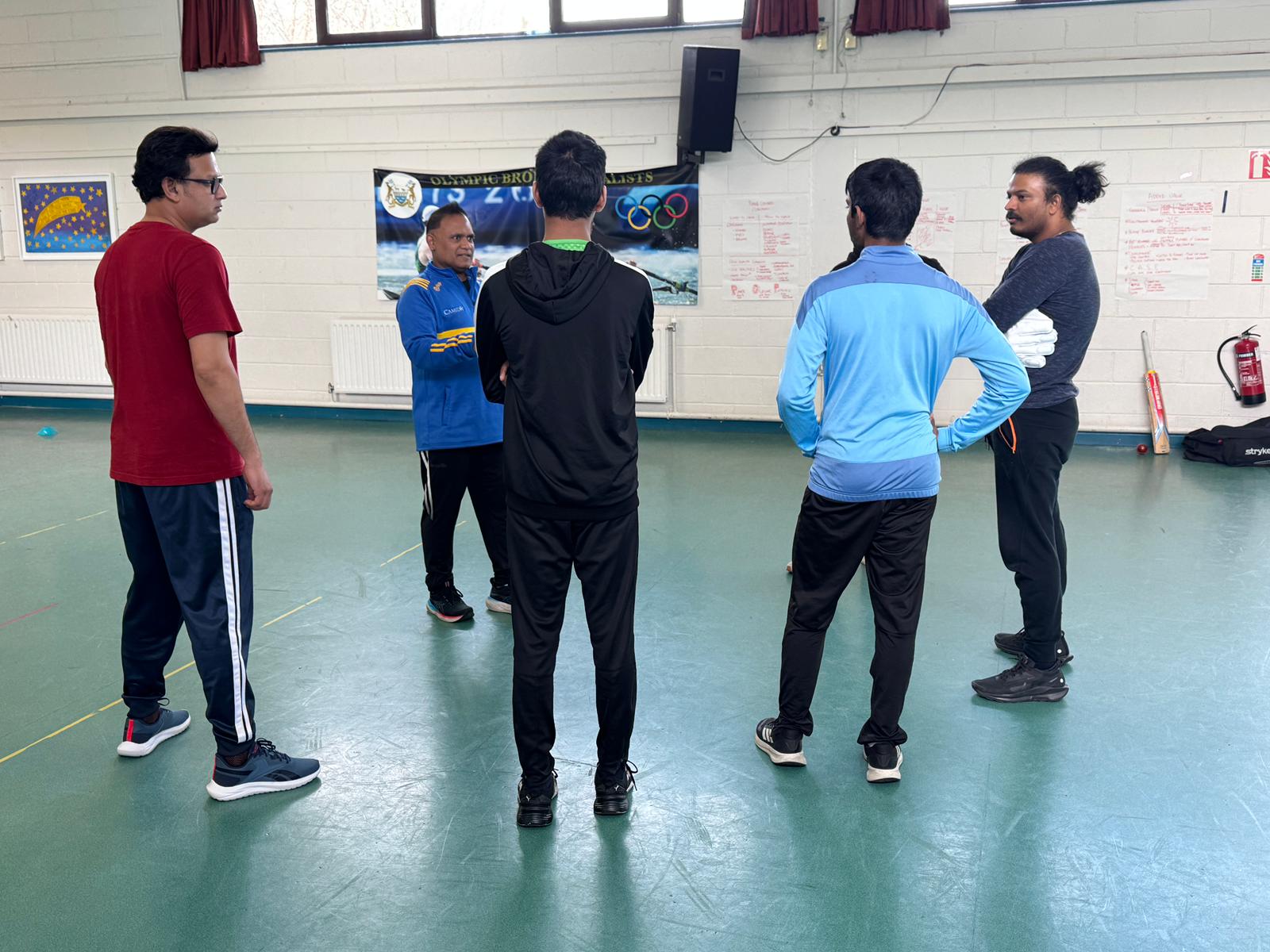
The most valuable part of Sunday was the post-session debrief. Michael Hingston provided “Constructive Reflection.” Coaches weren’t just told what they did wrong; they were asked, “How did that feel?” and “Did you notice the player in the back who wasn’t engaged?” This encouraged a level of self-awareness that is the hallmark of an elite coach.
4. The Impact: Building a Legacy in Clonmel
The success of this course at Sisters of Charity School has broader implications for Munster Cricket.
Regional Growth
Clonmel is an important training hub for cricket’s expansion outside of the traditional strongholds like Cork or Limerick. By certifying a new group of coaches locally, Munster Cricket ensures that the sport can be taught in schools and local clubs without relying on traveling staff. This creates a “snowball effect”—more coaches lead to more sessions, which lead to more players, which eventually leads to a stronger regional league.
Psychological Confidence
The participants left with more than just a certificate; they left with confidence. The transition from “knowing the game” to “teaching the game” is a psychological hurdle. Through the rigorous assessments on Day Two, these individuals proved to themselves that they could command a group, communicate complex ideas, and inspire improvement.
5. Technical Appendix: Key Coaching Principles Covered
To provide a lasting resource, here is a breakdown of the core coaching cues taught by Michael Hingston during the weekend:
| Skill | Key Coaching Cue | Common Error to Watch For |
| Batting | “Eyes level, head to the ball.” | Head falling over to the off-side, causing a lack of balance. |
| Bowling | “Snap the front leg straight at delivery.” | Bending the front knee (losing height and power). |
| Fielding | “Follow the ball into the hands.” | Closing eyes or turning the head away at the point of contact. |
| Communication | “Keep it Simple: Three points maximum.” | Over-coaching and talking for too long while players stand still. |
6. Conclusion: A Bright Future
The two-day course in Clonmel was a resounding success, but it is only the beginning. The “positive atmosphere” noted by all involved is a testament to the passion for cricket in Munster. Under the tutelage of Michael Hingston, these participants have been given the tools to build a vibrant future for the sport.
As these newly minted coaches return to their respective clubs and schools, they carry with them the technical precision of Saturday and the leadership experience of Sunday. The Sisters of Charity National School has hosted many events, but few will have as lasting an impact on the physical literacy and sporting joy of the local youth as this coaching clinic.
Munster Cricket continues to move from strength to strength, proving that with the right leadership and a dedicated group of participants, cricket is continuing to grow and expand to every corner of the province.
As graduates of the Coaching Cricket course, our new coaches join the MCU Coaching Network, with the opportunity to be mentored by Pathway Manager Jeremey Bray and other experienced coaches in an ongoing series of workshops. This gives continual professional development and progression. We would encourage all coaches to join!
***NEWS FLASH!*** Members of the MCU Coaching Network will be invited to attend Pathway training in March to see Cricket Ireland Senior Coaches in action!
Sat 21st March:
Chris Brown: National Spin Bowling Coach
Ryan Eagleson: National Fast Bowling Coach
Sat 28th March
Heinrich Malan: Ireland Men’s Head Coach
Gary Wilson: National Batting/Wicketkeeping Coach